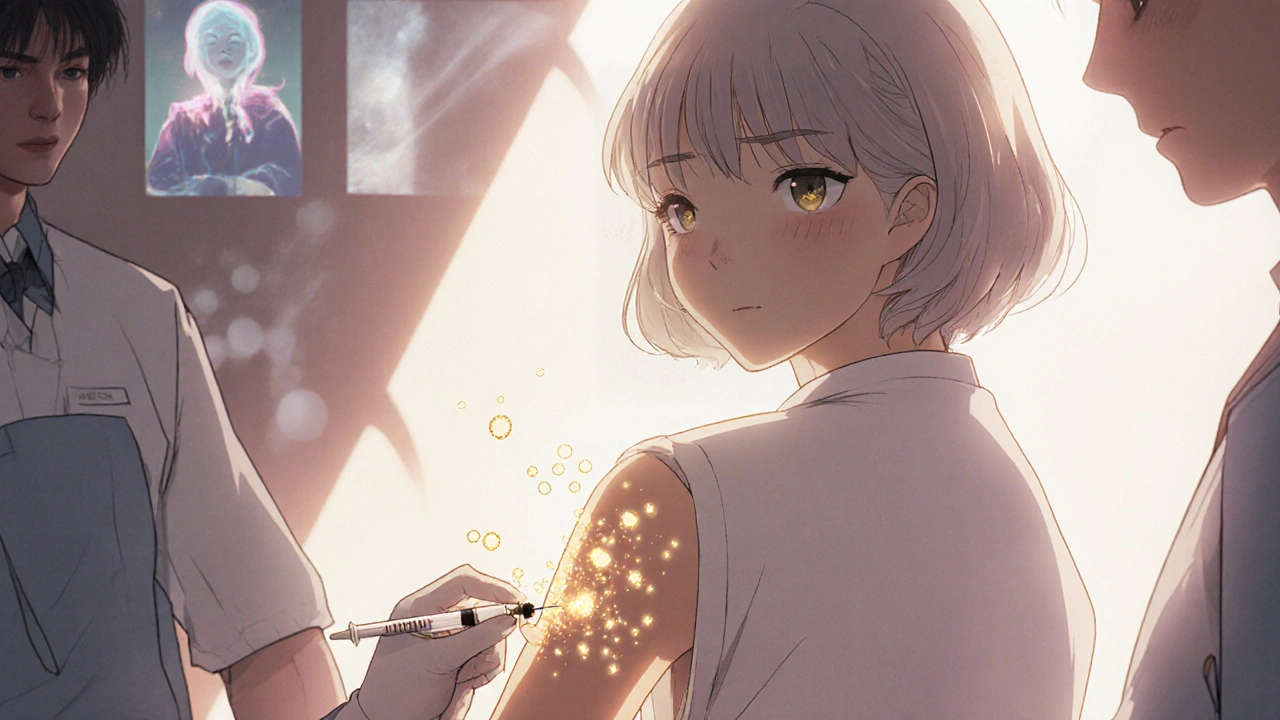
Shingrix Vaccine: What It Is, Who Needs It, and What You Should Know
When you hear Shingrix vaccine, a two-dose recombinant vaccine designed to prevent shingles caused by the reactivation of the varicella-zoster virus. Also known as recombinant zoster vaccine, it's the most effective shield against shingles and postherpetic neuralgia—the lingering nerve pain that can last months or even years after the rash clears. Unlike the old Zostavax shot, which used a weakened live virus, Shingrix uses a piece of the virus and a powerful adjuvant to trigger a strong immune response. That’s why it works better, especially in older adults whose immune systems naturally weaken with age.
Shingles isn’t just a rash. It’s a painful, sometimes debilitating condition that affects about 1 in 3 people in the U.S. by age 80. The herpes zoster, the virus that causes chickenpox and later reactivates as shingles stays hidden in your nerves after childhood infection. Decades later, stress, illness, or aging can wake it up. That’s why the adult immunization, a critical but often overlooked part of preventive health for people over 50 matters so much. The CDC recommends Shingrix for everyone 50 and older, even if you’ve had shingles before or got Zostavax. You don’t need to wait—you can get it right after an episode, as long as the rash is gone.
Shingrix isn’t perfect. Most people feel soreness, redness, or swelling at the injection site. About half get muscle pain, fatigue, or headaches for a day or two. Some feel nauseous. These aren’t signs of the virus—they’re signs your immune system is working. The trade-off? A 90%+ reduction in shingles risk, and even better protection against long-term nerve pain. If you’ve been putting off the shot because of side effects, remember: shingles pain can make it hard to sleep, dress, or even brush your hair. That’s not a side effect—that’s a life disruption.
What you won’t find in most doctor’s offices is how often people skip this vaccine because they think, "I had chickenpox as a kid, so I’m fine." Or, "I’m healthy, I don’t need it." But shingles doesn’t care how fit you are. It only cares that your immune system has aged. And if you’re over 50, it already has. The vaccine side effects, temporary discomfort that pales in comparison to the risk of shingles complications are a small price to pay for avoiding hospital visits, long-term pain meds, or nerve damage that never fully heals.
Below, you’ll find real-world insights from people who’ve dealt with shingles, the medications that can make it worse, how to spot delayed reactions, and what to do if you’re worried about mixing vaccines with other drugs. No theory. No marketing. Just what works—and what doesn’t—when it comes to protecting yourself from something that can steal months of your life.