
Medication Myths vs. Facts Quiz
Tap each statement to mark whether you think it is a Myth or a Fact. Then check your answers against the science.
Your Score
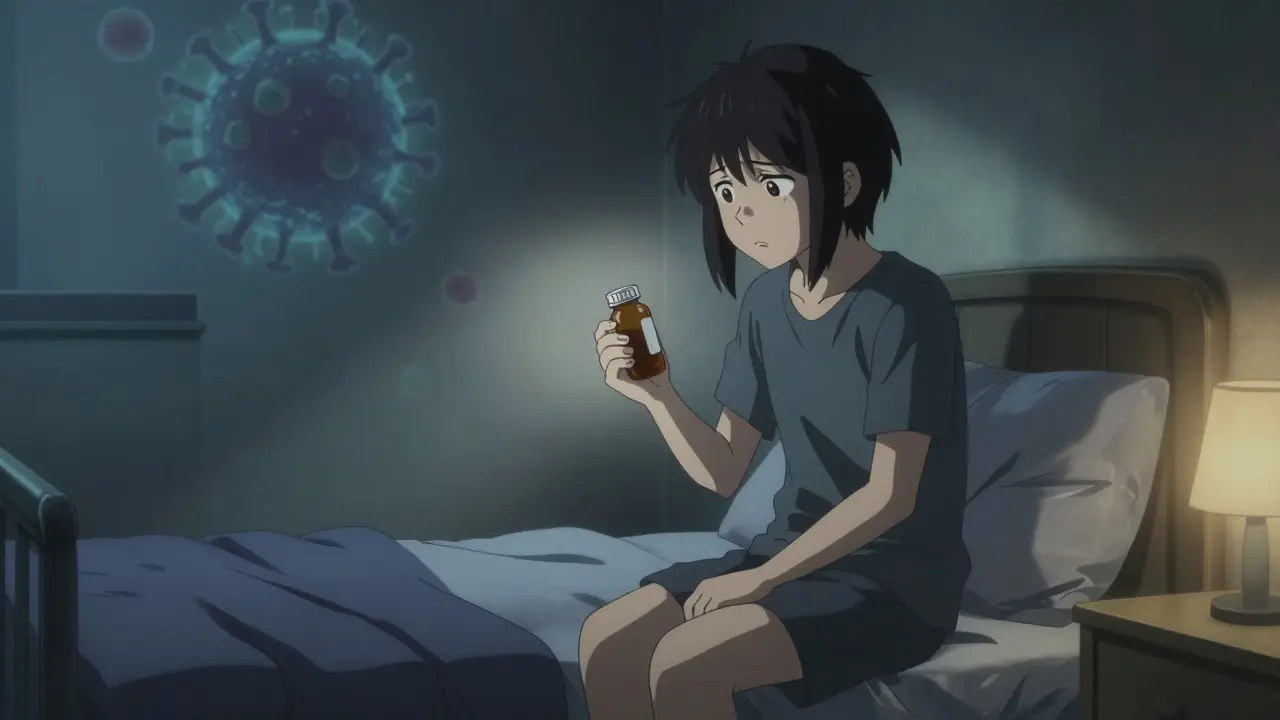
You might have stopped a prescription because it made you feel weird, or maybe you finished your antibiotics early because the fever broke. These are common moves, but they’re often based on medication side effects myths that can actually hurt your health. The truth is, most side effects are manageable, and stopping meds without advice is riskier than sticking with them. Here’s what the data says about the lies we tell ourselves regarding our pills.
The Danger of Stopping Meds Too Soon
The biggest myth is that if a medicine makes you feel bad, you should just quit. A 2022 analysis by AdhereTech found that 37% of patients with chronic conditions stop their treatment when they hit a snag. But here’s the catch: for many drugs, the "bad" feeling is temporary or fixable. Take nausea from certain antibiotics. A 2020 study in the Journal of Clinical Pharmacy and Therapeutics showed that taking these with food cuts nausea by 68%. Yet, 42% of people who get sick from the pill just stop taking it instead of calling their doctor. When you abruptly stop antidepressants, for example, 56% of people experience withdrawal symptoms like dizziness, insomnia, or those strange "brain zaps." It’s not the disease coming back; it’s your body adjusting to the sudden absence of the drug.
Antibiotics: Finish the Course, Even If You Feel Fine
If you’ve ever felt better after two days of antibiotics and tossed the rest, you’re part of a big problem. The CDC links this habit directly to antibiotic resistance. In 2019, they reported that 2.8 million Americans get resistant infections annually, leading to 35,000 deaths. Why? Because the first few days kill the weak bacteria, leaving the strong ones behind. Those survivors adapt and become harder to treat. A 2020 meta-analysis in The Lancet Infectious Diseases found that stopping antibiotics early increases the chance of a resistant infection by 17%. Feeling better doesn’t mean the bacteria are gone. Most bacterial infections need 7 to 14 days of treatment to wipe out 99.9% of the pathogens. Trust the clock, not just how you feel.
Statins and Muscle Pain: Mostly Placebo?
Let’s talk about statins. Many people avoid them because they hear stories about terrible muscle pain. A 2021 study in the American Journal of Cardiology noted that 74% of patients drop statins within the first year. But look at the rigorous data from the Cholesterol Treatment Trialists’ Collaboration (2017). They analyzed 174,000 patients across 27 trials and found that only 0.9% more statin users reported muscle issues compared to those on a placebo. That’s less than 1% difference. Even more interestingly, a 2018 report in the New England Journal of Medicine revealed that 90% of people who thought they couldn’t tolerate statins could actually take them fine when tested in blinded trials. If you do have muscle issues, switching to a hydrophilic statin like pravastatin or rosuvastatin might help. These types penetrate muscle tissue 70% less than lipophilic ones, reducing adverse events by 32%.

OTC Pain Relievers Aren't Magic Bullets
There’s a belief that over-the-counter (OTC) painkillers work just as well as prescriptions for all kinds of pain. For minor headaches, sure. But for moderate to severe chronic pain, OTC meds like ibuprofen or acetaminophen often fall short. A 2022 analysis in the Journal of Pain Research found that 68% of patients with serious chronic pain didn’t get adequate relief from OTC options alone. Worse, self-medicating delays proper treatment. The American Academy of Pain Medicine reports that 41% of chronic pain patients try OTC routes first, delaying professional care by an average of 14.7 months. And don’t ignore the risks of long-term OTC use. Acetaminophen can cause liver toxicity if you exceed 4,000mg a day, leading to 56,000 emergency room visits annually in the US. Ibuprofen, taken in excess, causes 10,000 hospitalizations a year for gastrointestinal bleeding. OTC doesn’t mean "safe to ignore limits."
Prescription Drugs vs. Illicit Drugs: A False Sense of Safety
We tend to think prescription drugs are inherently safer than street drugs. This misconception fuels the opioid crisis. The National Institute on Drug Abuse reported that 53% of new opioid misuse cases in 2022 started with prescription meds borrowed from friends or family. Prescription opioids carry a 23% risk of developing an opioid use disorder after just 30 days of use. Mixing these meds with alcohol is especially deadly, increasing mortality risk by 47%. Acetaminophen combined with alcohol causes hundreds of liver failure deaths every year. So, while prescription drugs are regulated, they still require strict adherence and caution. "Prescribed" doesn’t automatically equal "risk-free," especially when combined with other substances or used outside the label.
How to Manage Side Effects Properly
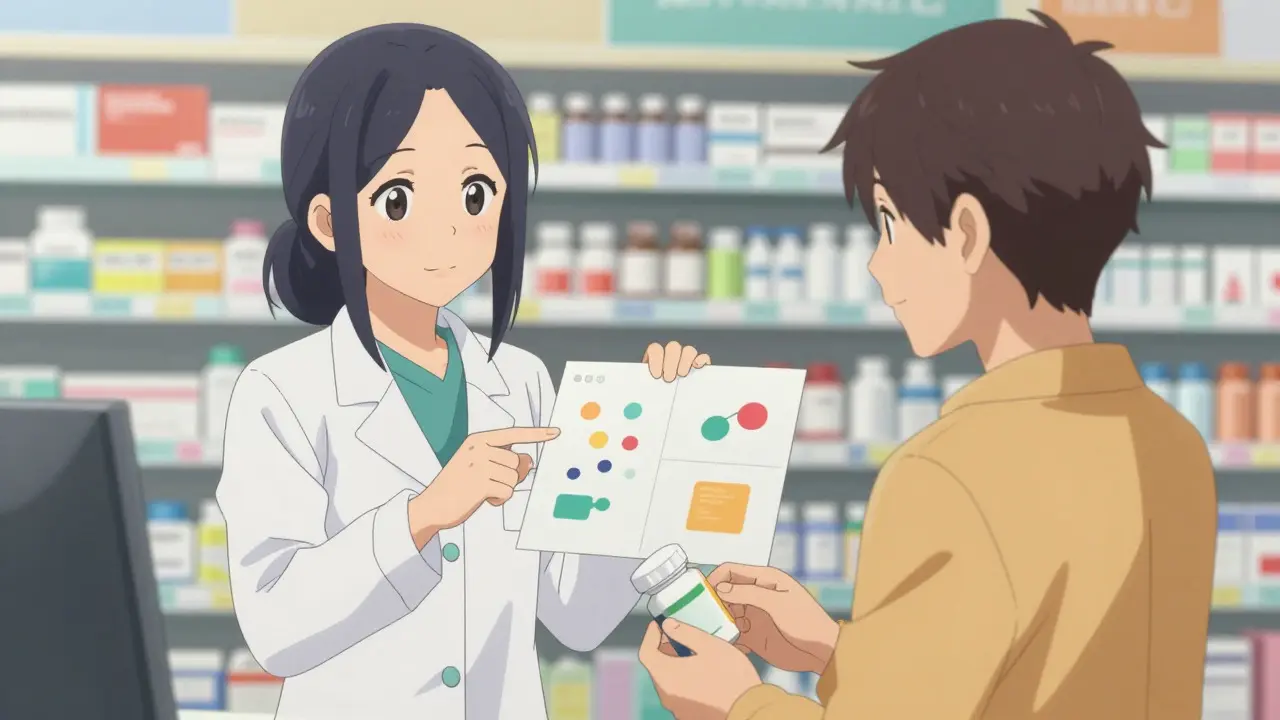
So, what do you do when a side effect hits? Don’t panic. Don’t quit. Talk to your healthcare provider. The American Medical Association’s 2023 guidelines stress that discontinuing meds without consulting a doctor leads to hospitalizations in 87% of such cases. Your doctor can adjust the dose, change the timing, or switch to an alternative medication. Pharmacists are also great resources. The American Pharmacists Association found that medication therapy management consultations reduce side effect-related discontinuations by 41%. Use tools like visual medication schedules or adherence apps. A 2022 survey found these tools helped patients distinguish between actual side effects and normal disease symptoms, cutting unnecessary discontinuations by 39%. Remember, the goal is to manage the side effect, not eliminate the treatment.
| Myth | Fact | Key Data Point |
|---|---|---|
| Stop meds if side effects occur | Consult provider; most are manageable | 37% self-discontinue; 68% nausea reduction with food |
| Stop antibiotics when feeling better | Finish full course to prevent resistance | 17% higher resistance risk if stopped early |
| Statins always cause severe muscle pain | Muscle pain is rare; mostly nocebo effect | Only 0.9% higher risk than placebo; 90% tolerate in blinded trials |
| OTC painkillers work for all pain | Ineffective for moderate/severe chronic pain | 68% lack adequate relief; delays treatment by 14.7 months |
| Prescription drugs are safer than illicit drugs | Both carry significant risks; mixing with alcohol is deadly | 23% OUD risk after 30 days; 47% higher mortality with alcohol |
Frequently Asked Questions
Is it safe to stop taking my medication if I feel side effects?
Usually, no. Abruptly stopping medications like antidepressants or beta-blockers can cause withdrawal symptoms or worsen your condition. Always consult your healthcare provider before making changes. They can offer strategies like dose adjustments or timing changes to manage side effects effectively.
Do I really need to finish all my antibiotics even if I feel better?
Yes. Feeling better doesn’t mean the infection is fully cleared. Stopping early allows stronger bacteria to survive and develop resistance. A single premature discontinuation can increase the likelihood of a resistant infection by 17%, making future treatments harder and potentially life-threatening.
Are statin-related muscle pains real or just in my head?
While some people do experience genuine muscle issues, studies show that only 0.9% more statin users report problems compared to placebo. This suggests a large portion is due to the "nocebo effect"-expecting side effects causes them. If you do have pain, ask your doctor about switching to a hydrophilic statin, which has lower muscle penetration.
Can over-the-counter pain relievers replace prescription medication?
For minor, acute pain, yes. But for moderate to severe chronic pain, OTC meds like ibuprofen or acetaminophen are often inadequate. Relying on them exclusively can delay proper treatment by nearly 15 months and may lead to organ damage if taken in high doses for long periods.
What is the best way to handle a new side effect?
Keep a log of the symptom, when it happens, and its severity. Then, contact your pharmacist or doctor. They can determine if it’s a true side effect, a symptom of your underlying condition, or something else. Using adherence apps or visual schedules can also help track patterns and improve communication with your care team.