

Every time you pick up a prescription for metformin, lisinopril, or atorvastatin, you’re holding a medicine that traveled across continents, passed through dozens of hands, and survived a maze of regulations-all to cost you $4 at the pharmacy. It’s not magic. It’s the generic drug supply chain. And it’s far more complicated than most people realize.
Where It All Begins: The Active Ingredient
It starts with a chemical. Not in a lab in Ohio or California, but usually in a factory in China or India. About 88% of the Active Pharmaceutical Ingredients (APIs) used in U.S. generic drugs are made overseas. That’s the raw material-the actual medicine inside the pill. The U.S. used to make most of its own APIs, but over the last 30 years, production shifted overseas because it’s cheaper. Now, only 12% of API manufacturing happens here. Getting these chemicals to the U.S. isn’t simple. They’re shipped in bulk, often in containers, and must meet strict quality standards set by the FDA. But inspections are harder when the factory is halfway across the world. In 2010, the FDA inspected 248 foreign facilities. By 2022, that number jumped to 641. Still, many experts worry it’s not enough. A single contaminated batch of API can cause shortages of dozens of common drugs-like antibiotics or blood pressure meds-that patients rely on daily.From Chemical to Pill: Manufacturing and Approval
Once the API arrives in the U.S., it goes to a generic drug manufacturer. These companies don’t invent new drugs-they copy existing ones. But they still have to prove their version works exactly the same. That’s done through an Abbreviated New Drug Application (ANDA) submitted to the FDA. No need for new clinical trials. Just proof that the generic dissolves the same way, gets absorbed the same way, and delivers the same results as the brand-name drug. Manufacturing has to follow Good Manufacturing Practices (GMP). That means clean rooms, strict testing at every step, and records that can be audited at any time. One small mistake-a wrong temperature during mixing, a dirty filter-can ruin an entire batch. And if the FDA finds a problem, they can shut down production. That’s why many manufacturers use AI and blockchain tools now. They track every step: where the API came from, who mixed it, when it was tested, and where it shipped. If something goes wrong, they can trace it back in minutes instead of weeks.Who Moves the Pills: Wholesalers and Distributors
Once the pills are made, they don’t go straight to your local pharmacy. They go to wholesale distributors-companies like McKesson, AmerisourceBergen, and Cardinal Health. These are the middlemen. They buy huge quantities from manufacturers, store them in giant warehouses, and then sell smaller batches to pharmacies. Here’s where pricing gets messy. Manufacturers set a Wholesale Acquisition Cost (WAC)-the list price before any discounts. But few pharmacies pay that. Instead, wholesalers offer discounts based on how much a pharmacy buys. Big chains like CVS or Walgreens get better deals because they order in massive volumes. Independent pharmacies? They pay more. And sometimes, the discount is tied to how fast the pharmacy pays. Pay within 10 days? Get 5% off. Pay in 30? No discount. This system creates pressure. Pharmacies need to keep shelves stocked, but they can’t afford to tie up cash in inventory. So they order just enough to get by. If a shipment is delayed-even a week-they might run out. That’s when patients get calls saying, “Your medication isn’t available.”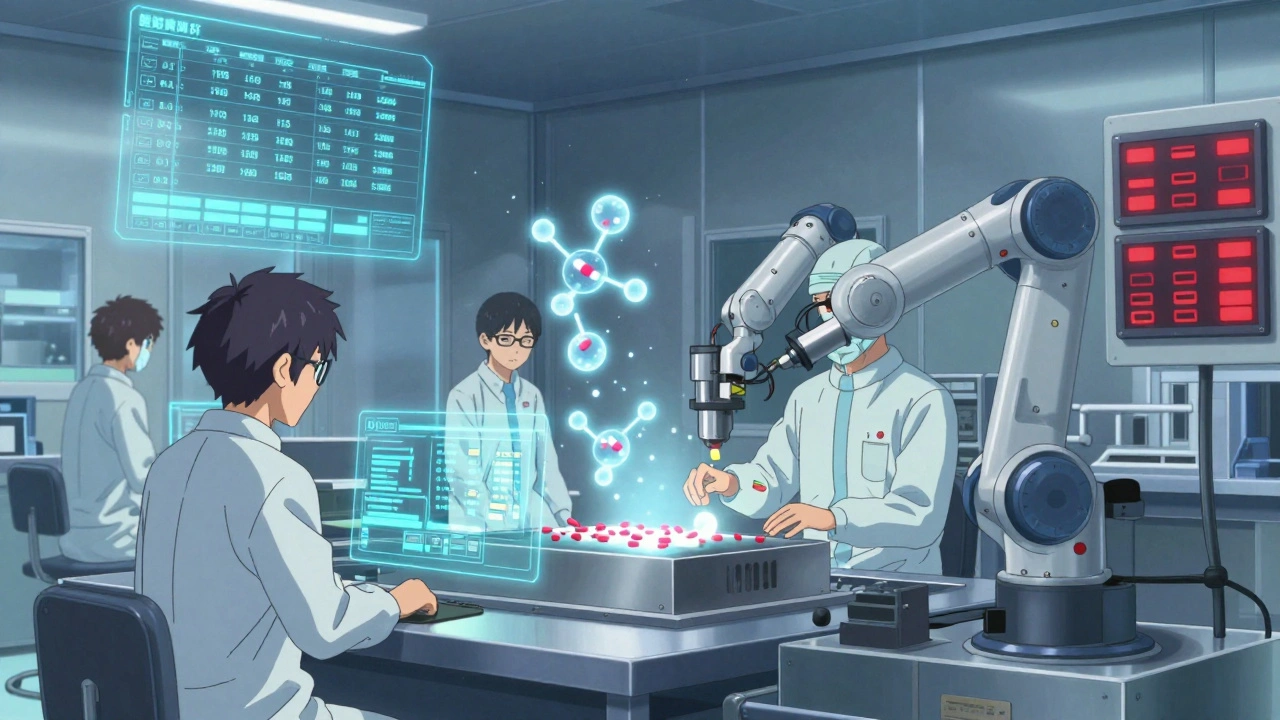
The Hidden Players: PBMs and Reimbursement
You might not know it, but your pharmacy doesn’t get paid based on what you pay at the counter. They get paid by Pharmacy Benefit Managers (PBMs)-companies like CVS Caremark, OptumRX, and Express Scripts. These three control about 80% of the PBM market in the U.S. PBMs negotiate with pharmacies and drug manufacturers. But here’s the twist: they don’t pay the pharmacy the full price of the drug. Instead, they use something called Maximum Allowable Cost (MAC). MAC is a cap on how much the PBM will reimburse for a specific generic drug. For example, if the MAC for 10mg atorvastatin is $3.50, the pharmacy gets $3.50-even if they paid $4.25 to the wholesaler. A 2023 survey by the American Pharmacists Association found that 68% of independent pharmacies say MAC pricing is below what they actually paid for the drug. That means they lose money on every generic prescription they fill. Some pharmacies make up for it by charging more for dispensing fees. Others just stop carrying certain generics. That’s how shortages start. Brand-name drugs work differently. PBMs negotiate rebates with manufacturers. Those rebates can be huge-sometimes 30% or more. But generic manufacturers rarely offer rebates. Why? Because they’re already selling at razor-thin margins. There’s no room to give back.Why Generic Drugs Cost So Little-And Why That’s a Problem
Generic drugs make up 90% of all prescriptions filled in the U.S. But they only account for 23% of total drug spending. That’s a win for patients. But here’s the catch: the money doesn’t go where you think. According to the USC Schaeffer Center, generic manufacturers only keep 36% of the money spent on generics. The rest goes to wholesalers, PBMs, pharmacies, and other middlemen. Meanwhile, brand-name manufacturers keep 76% of what’s spent on their drugs. Why? Because brand drugs have patents. They have exclusivity. They can charge high prices and still make profits. Generics? They compete with 10 other companies making the same pill. So the price keeps dropping. The lowest bidder wins. And if a manufacturer can’t make a profit, they stop making it. That’s what happened with dozens of antibiotics and chemotherapy drugs during the pandemic. No one wanted to produce them because the price was too low.
What’s Changing Now
The system is under pressure. The Inflation Reduction Act of 2022 started changing how Medicare pays for drugs. The FDA is pushing to speed up generic approvals and reduce shortages. Some manufacturers are now diversifying their API sources-making some in India, some in Europe, some in the U.S.-to avoid relying on one country. Pharmacies are using real-world data to predict shortages before they happen. Instead of just guessing how many pills they’ll need, they’re using software that tracks sales trends, delivery delays, and even weather patterns that might disrupt shipping. And there’s growing pressure to make pricing more transparent. Right now, no one knows the real cost of a generic pill-from the chemical factory to your hand. Is it $0.10? $0.50? $2.00? The answer changes depending on who you ask. That’s why experts like Dr. Aaron Kesselheim from Harvard say we need a clear, public record of every price change along the chain.What This Means for You
You might not care how your pills get made. But you should care when they’re not on the shelf. When a generic drug disappears, it’s not because the company went out of business. It’s because the price was too low to make it worth producing. If you rely on a generic medication, keep a 30-day supply on hand. Talk to your pharmacist if your drug suddenly becomes unavailable. Ask if there’s another manufacturer’s version. Sometimes, switching brands-even if they’re both generic-can make a difference in availability. And if you’re wondering why your $4 pill costs your insurance $12, now you know. The difference doesn’t go to the maker. It goes to the middlemen. And until that changes, the system will keep squeezing the companies that make the medicine-until there’s nothing left to make.Why are generic drugs so much cheaper than brand-name drugs?
Generic drugs are cheaper because they don’t require expensive clinical trials to prove they work. They copy existing brand-name drugs and only need to show they’re bioequivalent. But even though they cost less to make, most of the money paid for generics doesn’t go to the manufacturer. Instead, it goes to wholesalers, PBMs, and pharmacies. The manufacturer often keeps only about 36% of the total spending on the drug.
Where do most generic drug ingredients come from?
About 88% of the Active Pharmaceutical Ingredients (APIs) used in U.S. generic drugs are made outside the country-mostly in China and India. The U.S. now produces only 12% of its own APIs. This global supply chain makes drugs cheaper but also more vulnerable to disruptions, like shipping delays or political instability.
Why do pharmacies sometimes run out of generic drugs?
Pharmacies run out of generics when the price they pay to buy the drug is higher than what their PBM will reimburse them. Many PBMs use Maximum Allowable Cost (MAC) pricing, which caps reimbursement. If a pharmacy pays $4.50 for a pill but only gets reimbursed $3.80, they lose money on every prescription. Some pharmacies stop ordering those drugs, leading to shortages.
What’s the role of Pharmacy Benefit Managers (PBMs) in the generic drug supply chain?
PBMs act as intermediaries between pharmacies, insurers, and drug manufacturers. They negotiate drug prices, set reimbursement rates (like MAC limits), and manage formularies. They also process claims and collect rebates. But unlike brand-name manufacturers, generic makers rarely offer rebates, so PBMs focus on lowering the reimbursement price instead. This puts pressure on pharmacies to buy cheaper drugs-even if it means losing money.
Can the U.S. bring generic drug manufacturing back home?
It’s possible, but expensive. Building FDA-compliant API plants in the U.S. costs hundreds of millions of dollars. Plus, U.S. labor and regulatory costs are much higher than in India or China. Some government incentives exist, but without major changes to how generics are priced, manufacturers won’t invest. The market is too competitive. If U.S.-made generics cost 30% more, pharmacies and PBMs will just buy the cheaper imports.
Are generic drugs as safe and effective as brand-name drugs?
Yes. The FDA requires generic drugs to have the same active ingredient, strength, dosage form, and route of administration as the brand-name version. They must also be bioequivalent-meaning they work the same way in the body. The only differences are in inactive ingredients like fillers or dyes, which don’t affect how the drug works. Millions of patients take generics safely every day.
14 Comments
December 4, 2025 parth pandya
so the api comes from india but we blame china? lol. we make like 5% of our own pills and still act like we’re the pharmacy gods. also, my uncle works in a pharma plant in hyderabad - they test every batch like 7 times before shipping. don’t act like we’re all sketchy.
December 4, 2025 Albert Essel
The complexity of this system is staggering - and terrifying. We’ve outsourced the foundation of public health to global markets without building any resilience into the system. When a typhoon hits Gujarat or a labor strike shuts down a factory in Shanghai, people in rural Ohio suddenly can’t get their blood pressure meds. This isn’t just economics - it’s a public safety issue.
December 5, 2025 James Kerr
my grandma’s atorvastatin cost $3.50 last month. this month? $12. pharmacy said ‘PBM changed the MAC.’ i just wanted to cry. why does this feel like a rigged game?
December 6, 2025 Gavin Boyne
Let me get this straight - we let China and India make 88% of our life-saving chemicals, then act shocked when something goes wrong? Meanwhile, our politicians scream about ‘American manufacturing’ while eating sushi and buying iPhones made in the same countries. We want cheap pills but won’t pay for the infrastructure to make them safely. That’s not capitalism - that’s self-sabotage with a side of denial.
December 8, 2025 Rashi Taliyan
OMG I JUST REALIZED WHY MY DIABETES MEDS DISAPPEARED FOR 3 WEEKS!! I thought it was my pharmacy being lazy… but nooooo - it’s because the PBM reimbursed $2.90 and the wholesaler charged $4.10?? My pharmacist looked so guilty when she said ‘we’re losing money on this.’ I feel awful now. 😭
December 9, 2025 Kara Bysterbusch
This isn’t merely a supply chain issue - it’s a moral failure of market logic. We’ve commodified survival. When profit margins on a $0.10-per-pill drug are thinner than a tissue paper, and the middlemen siphon off 64% of the revenue, it’s no surprise manufacturers abandon the most essential medicines. We don’t need more regulations - we need a redefinition of value. Health shouldn’t be a commodity subject to auction.
December 10, 2025 Rashmin Patel
Look, I live in Mumbai and work in a generic pharma lab - we produce 120 million tablets a month for the US market. We follow FDA standards, we have audits every quarter, and yes, we even use blockchain for batch tracking now. But here’s the truth: if the US pays $0.05 per pill and demands 30% lower next year, we can’t keep paying workers $5/hour and still make it. It’s not corruption - it’s collapse by attrition. Stop blaming us. Start paying us.
December 11, 2025 sagar bhute
Typical American hypocrisy. You want your blood pressure pills cheap but scream when India makes them. You outsource everything then cry when the system works. The FDA inspects 641 facilities? That’s still less than 10% of the total. You’re not protecting patients - you’re protecting your delusion. If you want safe drugs, pay for them. Otherwise, shut up and take what you get.
December 12, 2025 Cindy Lopez
Wow. This is long. I skimmed. PBMs bad. China bad. Pharma good? Got it.
December 13, 2025 Myson Jones
As someone who’s worked in community pharmacy for 18 years, I’ve seen this unfold. The system is broken, but nobody wants to fix it because the people who profit from it - the big PBMs, the distributors - they’re the ones writing the rules. We’re just the front-line workers holding the bag when the pills vanish. I don’t have answers. But I know this: if you rely on a generic, keep a backup. And if your pharmacist says ‘it’s on backorder,’ believe them. It’s not laziness - it’s systemic collapse.
December 13, 2025 Charles Moore
I’m from Ireland, and our generic system is way simpler - the government negotiates bulk prices directly with manufacturers, and pharmacies get a flat dispensing fee. No MAC lists, no rebates, no middlemen gaming the system. It’s not perfect, but no one goes without because the price dropped too low. Maybe the US doesn’t need more innovation - maybe it just needs to stop treating healthcare like a stock market.
December 14, 2025 bobby chandra
Let’s be real - the real villain here isn’t China, isn’t India, isn’t even the PBMs. It’s us. We demand $4 pills while paying $12,000 a year in premiums. We cheer when our insurance ‘saves us money’ on generics… but never ask where that money went. We’re the ones who normalized this. We turned medicine into a discount item. Now we’re surprised when the factory shuts down because the profit margin is thinner than a TikTok attention span.
December 15, 2025 vinoth kumar
My cousin works at a PBM in Delhi. He told me they don’t even know what the real cost of a pill is - they just get a spreadsheet with a MAC number and a list of 300 generics. They have to cut costs or lose contracts. It’s not malice - it’s just a machine that runs on greed and automation. We need human oversight, not more algorithms.
December 17, 2025 shalini vaishnav
Of course the US can't make its own drugs - you people can't even make decent coffee without a $7 latte. India and China have the discipline, the scale, the workforce. You want cheap medicine? Then stop whining about globalization. Your laziness and entitlement created this crisis. We make your pills. You make your excuses. That’s the deal.
Write a comment