
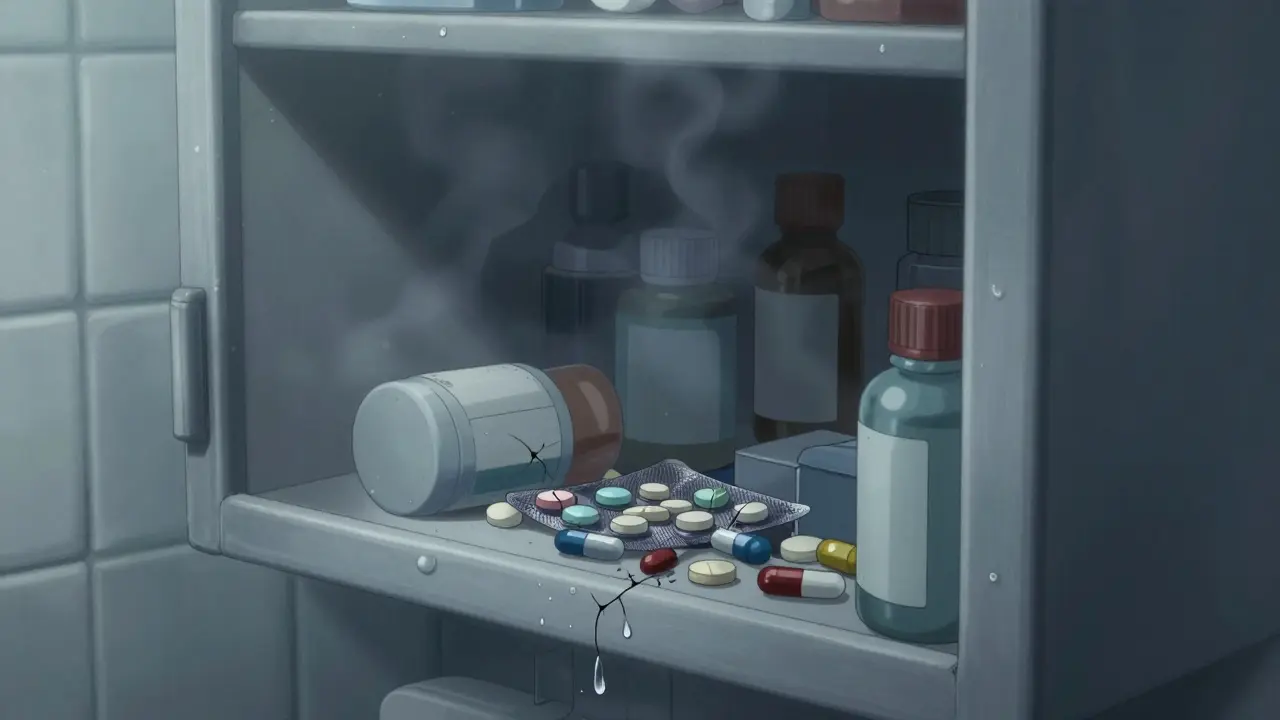
You have a drawer full of old pills. Maybe it’s leftover antibiotics from last winter, or painkillers you never needed after that knee surgery. It feels harmless to just toss them in the trash or flush them away when they expire. But here is the hard truth: improper handling of these drugs poses serious risks to your family, your community, and the environment. Every year, millions of pounds of pharmaceuticals end up in our waterways because people don’t know how to dispose of them correctly.
Handling prescriptions isn't just about reading the label; it involves understanding strict federal regulations designed to keep controlled substances out of the wrong hands and prevent toxic chemicals from contaminating groundwater. Whether you are managing your own home medicine cabinet or overseeing waste protocols at a clinic, getting this right matters. This guide breaks down exactly how to store, identify, and dispose of medications safely, covering everything from simple household tips to complex regulatory requirements for healthcare providers.
The Science Behind Safe Medication Storage
Before we talk about throwing things away, we need to talk about keeping them safe while you still need them. Most people assume the bathroom cabinet is the perfect spot for medicine. It is convenient, sure, but it is actually one of the worst places to store drugs. Bathrooms are hot, humid environments that can degrade medication effectiveness faster than you think.
Proper medication storage requires keeping drugs in dry, cool areas away from direct sunlight, heat sources, and moisture. The Food and Drug Administration (FDA) recommends storing most medications at room temperature, specifically between 68°F and 77°F (20°C to 25°C). If a bottle says "store at room temperature," do not put it in the fridge unless explicitly instructed. Cold temperatures can cause liquids to separate or tablets to crack.
However, there are exceptions. Biologics, certain insulin types, and some liquid suspensions require refrigeration at 36°F to 46°F (2°C to 8°C). Always check the package insert or ask your pharmacist. If a medication requires refrigeration, do not freeze it unless the label says so-freezing can destroy the molecular structure of many drugs.
Security is another critical attribute of storage. Controlled substances like opioids and benzodiazepines should be kept in a lockbox or a secure location inaccessible to children and pets. The DEA emphasizes that preventing accidental ingestion by children is a primary reason for secure storage. Keep original containers on hand so you always have access to expiration dates and dosage instructions.
- Avoid humidity: Do not store meds in bathrooms or kitchens near sinks.
- Check temperature: Use a thermometer if you suspect your home gets too hot or cold.
- Secure access: Use child-resistant caps and lockboxes for potent drugs.
- Original packaging: Never transfer pills to unmarked containers; lose the label, lose the safety data.
Understanding Hazardous vs. Non-Hazardous Waste
Not all expired medicines are created equal. When it comes to disposal, the EPA distinguishes between hazardous and non-hazardous pharmaceutical waste. This distinction drives much of the current regulatory landscape, particularly under Subpart P of the Resource Conservation and Recovery Act (RCRA).
Hazardous pharmaceutical waste includes specific chemicals listed on the EPA’s P-list and U-list. These often include cytotoxic drugs used in cancer treatment, certain hormones, and highly concentrated acids or bases. Between five and 10 percent of all pharmaceutical waste falls into this hazardous category. These substances pose significant environmental risks if flushed down drains or thrown in regular landfills without proper containment.
Non-hazardous waste makes up the majority of what households and clinics discard. This includes common antibiotics, blood pressure medications, and over-the-counter pain relievers. While less regulated than hazardous waste, these still require careful handling to prevent misuse and environmental contamination.
| Attribute | Hazardous Pharmaceutical Waste | Non-Hazardous Pharmaceutical Waste |
|---|---|---|
| Regulatory Framework | EPA RCRA Subpart P | FDA Guidance / Local Ordinances |
| Common Examples | Cytotoxics, Nicotine patches, High-concentration acids | Antibiotics, Antihistamines, Vitamins |
| Disposal Method | Licensed Incineration Only | Take-back programs or Household Trash (with precautions) |
| Flushing Allowed? | Strictly Prohibited | Only if on FDA Flush List |
| Documentation Required | Manifests & Destruction Certificates | None for households |
For healthcare facilities, misclassifying waste can lead to massive fines. For homeowners, the risk is lower but still present. If you are unsure whether a drug is hazardous, treat it with caution and use a take-back program rather than flushing it.
The Best Way to Dispose of Unused Medications at Home
If you are a regular consumer, your best option is almost always a drug take-back program. The DEA National Take Back Initiative has collected over 14 million pounds of medications since 2010. These events are free, secure, and environmentally sound. You can find local collection sites through the DEA website or local police departments. Many pharmacies also have permanent drop-off kiosks.
But what if no take-back option is available? The FDA provides clear instructions for home disposal. First, check the FDA’s "flush list." There are only a few dozen medications-mostly high-potency opioids-that should be flushed immediately if no take-back option exists. These drugs pose such a high risk of fatal overdose if ingested accidentally that the environmental risk of flushing is outweighed by the immediate human safety risk.
For all other medications, follow this process:
- Remove from original container: Take the pills out of the blister pack or bottle.
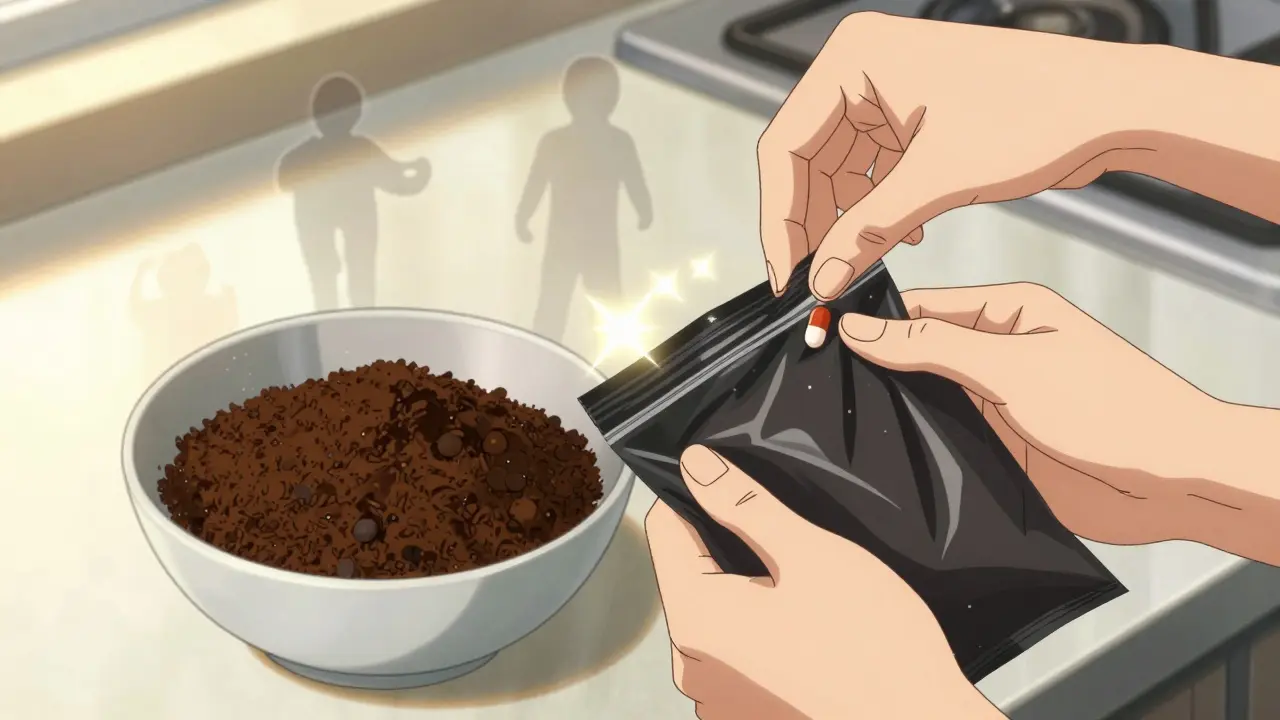
- Mix with undesirable substance: Combine the pills with something unappealing like coffee grounds, cat litter, or dirt. Do not crush the pills, as this can create dust that might be inhaled.
- Seal tightly: Place the mixture in a sealed plastic bag or container to prevent leaks.
- Dispose in trash: Throw the sealed container in your household garbage.
- Protect privacy: Scratch out or remove all personal information from the empty prescription bottles before recycling or trashing them.
This method takes about five minutes and significantly reduces the chance of someone digging through your trash to retrieve usable drugs. It also prevents the medication from dissolving into groundwater, which happens when pills are flushed.
Regulatory Compliance for Healthcare Facilities
If you work in a hospital, pharmacy, or long-term care facility, the stakes are much higher. Since the implementation of EPA Subpart P in 2019, healthcare facilities face strict rules regarding hazardous pharmaceutical waste. One of the biggest changes was the ban on sewer-based disposal for hazardous waste. You can no longer flush hazardous drugs down the sink, even if they were previously considered acceptable under older guidelines.
Facilities must now segregate waste carefully. Controlled substances require special handling under DEA regulations (21 CFR Part 1317). They cannot go into standard chemical waste streams. Instead, they must be managed by Environmental Health and Safety (EHS) departments or authorized collectors. Documentation is key. You must maintain destruction records for a minimum of three years, and certificates of destruction must be returned within 45 days of shipment.
Training is mandatory. Staff preparing hazardous materials for transport need Department of Transportation (DOT) hazardous materials training, refreshed every three years. Initial compliance typically requires 8-12 hours of training plus annual refreshers. The cost of compliance has risen, with an average increase of $12,500 annually per facility according to the American Hospital Association. However, the cost of non-compliance-including fines and environmental damage-is far greater.
Smart technology is helping here. Some hospitals are piloting smart disposal kiosks that identify medication types and route them to the correct disposal stream automatically. This reduces human error and ensures that hazardous waste doesn’t accidentally mix with general trash.
Why Flushing Medications Is a Bad Idea
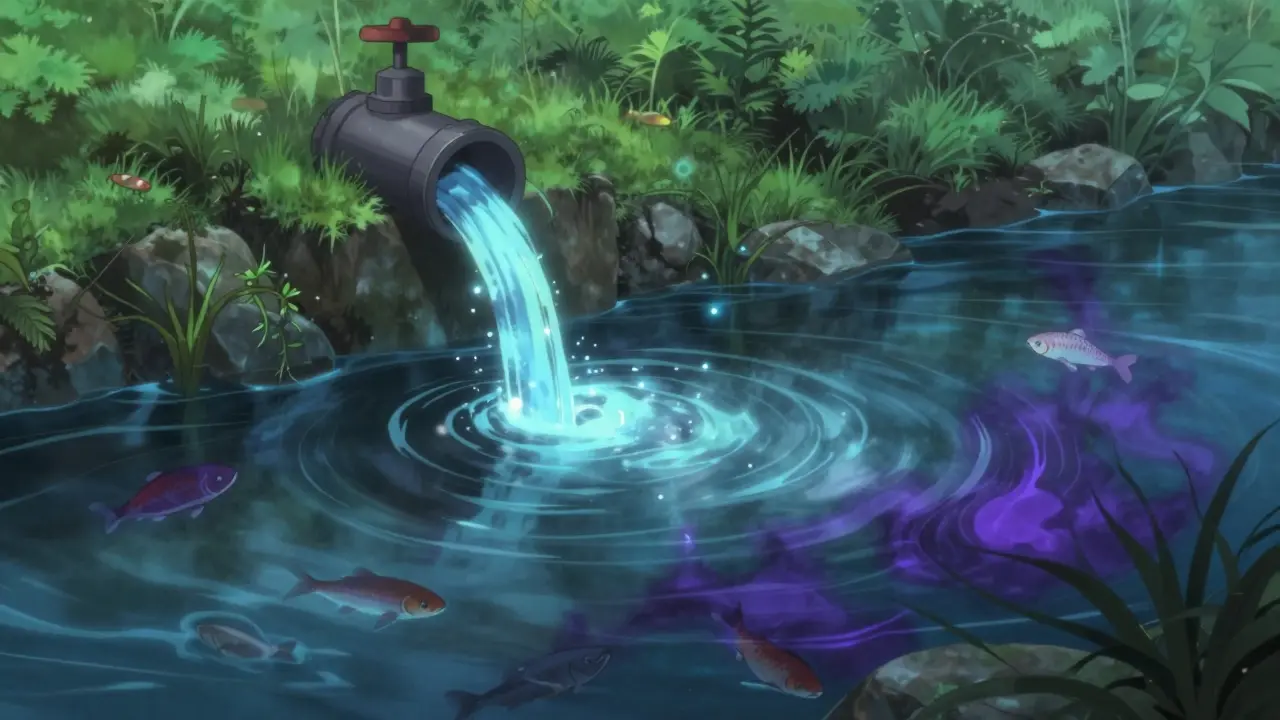
Despite widespread belief, flushing most medications is harmful. Water treatment plants are not designed to filter out pharmaceutical compounds. As a result, trace amounts of drugs pass through into rivers, lakes, and eventually drinking water supplies. The EPA estimates that 247 million pounds of pharmaceuticals enter U.S. waterways annually due to improper disposal.
This contamination affects aquatic life and potentially human health. Hormones and antibiotics found in water can disrupt ecosystems and contribute to antibiotic resistance. While the concentrations are low, the cumulative effect over time is concerning. Public awareness remains low; a 2022 FDA survey found that 61% of consumers incorrectly believe it is acceptable to flush most medications. Education is crucial to changing this behavior.
Remember the exception: only flush if the FDA explicitly tells you to. For the vast majority of drugs, flushing is an environmental hazard and a waste of resources. Use take-back programs or the trash method described above instead.
Future Trends in Pharmaceutical Waste Management
The industry is evolving. The pharmaceutical waste management market is projected to grow from $1.87 billion in 2022 to $2.94 billion by 2027. This growth is driven by tighter regulations and increased corporate responsibility. We are seeing a shift toward "producer responsibility" models, where manufacturers may fund disposal programs. This aligns incentives, encouraging companies to design drugs that are easier to dispose of safely.
Technological innovations will continue to play a role. Smart kiosks, better tracking software for waste manifests, and advanced incineration technologies are becoming more common. State-level variations add complexity, with 34 states having additional regulations beyond federal requirements. Staying informed is essential for both individuals and organizations.
As sustainability becomes a core part of healthcare delivery, proper medication handling will move from a compliance checkbox to a central pillar of operational strategy. For individuals, it means being more mindful of what we buy, how we store it, and how we let it go.
Can I flush my old prescription pills down the toilet?
Generally, no. Flushing medications contributes to water pollution and is prohibited for hazardous waste under EPA regulations. Only flush medications if they appear on the FDA's specific "flush list," which includes a small number of high-risk drugs like certain opioids. For all other medications, use a take-back program or mix them with unpalatable substances like coffee grounds and throw them in the trash.
Where can I find a drug take-back location near me?
You can locate registered collection sites using the DEA's online locator tool or by visiting local law enforcement agencies. Many retail pharmacies also participate in permanent take-back programs. Check with your local pharmacy first, as they often have drop-off boxes available during business hours.
How should I store insulin and other refrigerated medications?
Store refrigerated medications between 36°F and 46°F (2°C to 8°C). Do not freeze them unless the manufacturer explicitly instructs you to do so. Keep them in their original packaging to protect against light and physical damage. Avoid placing them directly against the back wall of the refrigerator, where temperatures can get colder.
What is the difference between hazardous and non-hazardous pharmaceutical waste?
Hazardous pharmaceutical waste includes specific toxic chemicals, cytotoxics, and concentrated acids/bases listed on the EPA's P-list and U-list. It requires specialized incineration and strict documentation. Non-hazardous waste includes common drugs like antibiotics and vitamins, which can often be disposed of via take-back programs or household trash with proper precautions.
Do healthcare facilities have different disposal rules than households?
Yes. Healthcare facilities must comply with EPA Subpart P, which bans sewer disposal of hazardous waste and requires detailed manifests and destruction certificates. They cannot use consumer take-back programs for bulk waste. Households are guided by FDA recommendations and can use DEA-authorized take-back sites or specific trash-disposal methods.
Is it illegal to sell unused prescription medications?
Yes, selling prescribed medications to anyone other than the person they were prescribed for is illegal under federal law. Sharing or selling controlled substances can result in severe criminal penalties. Proper disposal is the only legal way to get rid of unused prescriptions.