
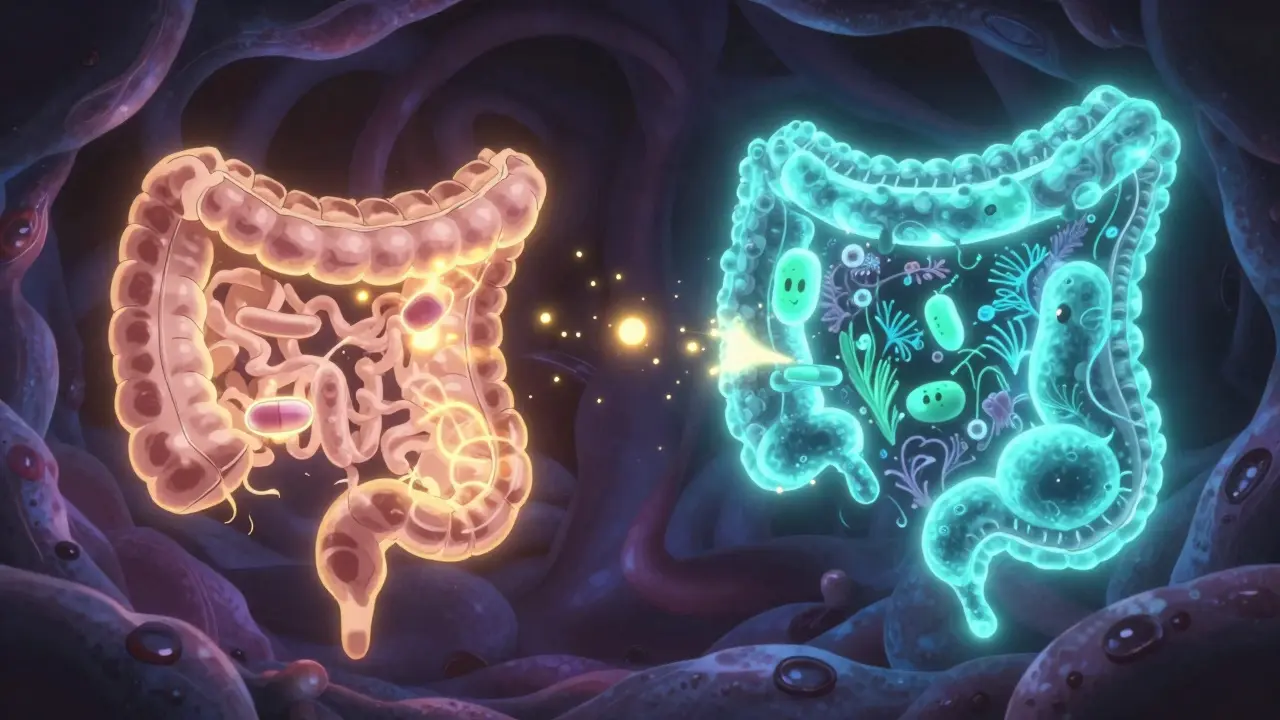
You’ve been prescribed a course of antibiotics to clear up an infection, but there is a catch: these powerful drugs don't just target the "bad" bacteria; they often wipe out the "good" ones in your gut too. This microbial carnage is exactly why so many people experience stomach cramps, bloating, and the dreaded probiotics with antibiotics struggle-specifically, antibiotic-associated diarrhea. If you've ever felt like your digestive system was in a tailspin after a round of meds, you're not alone. The goal is to keep your gut microbiome intact while the medicine does its job.
The Main Benefits: Why Pair Them Up?
The most immediate reason to take probiotics during an antibiotic course is to stop Antibiotic-Associated Diarrhea (AAD). Research shows that these supplements can reduce the risk of AAD by 42% to 66%. Instead of spending a week glued to the bathroom, probiotics help stabilize the gut lining and keep waste moving normally.
Beyond just stopping the runs, there is a more serious risk: Clostridioides difficile (or C. diff). This is a stubborn, dangerous infection that happens when the gut is too depleted of healthy bacteria to fight off harmful spores. While a 2022 systematic review found that probiotics can reduce C. diff incidence by up to 66%, they are particularly useful for people who are frequently on antibiotics or those treating community-acquired infections with narrow-spectrum drugs like amoxicillin.
Choosing the Right Strain: Not All Bacteria are Equal
Walking down the supplement aisle can be overwhelming because every bottle claims to be the best. However, the science is clear: efficacy is strain-specific. You shouldn't just buy "any" probiotic; you need the ones backed by clinical data.
The gold standards for reducing antibiotic side effects are Lactobacillus rhamnosus GG and Saccharomyces boulardii. The former is a hardy bacterium, while the latter is actually a beneficial yeast. Because Saccharomyces boulardii is a yeast, it isn't killed by antibiotics, making it an incredibly resilient choice during active treatment.
| Strain | Type | Primary Benefit | Best Use Case |
|---|---|---|---|
| L. rhamnosus GG | Bacterium | Reduces AAD incidence | General antibiotic courses |
| S. boulardii | Yeast | High resistance to antibiotics | High-risk C. diff prevention |
| Bifidobacterium | Bacterium | Microbiome restoration | Post-antibiotic recovery phase |

Timing is Everything: How to Take Them
If you take your antibiotic and your probiotic at the exact same moment, the antibiotic might simply kill the beneficial bacteria before they can even reach your gut. It's like trying to plant a garden while someone is spraying weedkiller on the soil.
To get the best results, follow these timing rules:
- The Two-Hour Gap: Wait at least 2 hours after taking your antibiotic before taking your probiotic. This ensures the medication is absorbed and its concentration in the gut is lower.
- The 48-Hour Window: Don't expect an instant fix. Probiotics usually need about 48 hours to colonize and start providing a protective effect.
- Duration: Continue taking the supplement for the entire length of your prescription. For those at high risk, continuing for 1 to 2 weeks after the last dose of antibiotics helps the microbiome bounce back faster.
The Risks and Red Flags
For most healthy people, probiotics are safe, with the only common side effect being some mild bloating or gas for the first few days. However, there are critical exceptions. If you are immunocompromised or have a severely weakened immune system, probiotics can be dangerous. There have been documented cases of probiotic-associated bacteremia, where the "good" bacteria actually enter the bloodstream and cause infection.
You should also be cautious if you have central venous catheters or severe pancreatitis, as these conditions can increase the risk of complications. Additionally, a recent 2025 study raised concerns about antibiotic resistance genes (ARGs) found in some commercial products, meaning some probiotics might actually carry resistance to drugs like tetracycline. This is why buying "USP Verified" or highly regulated brands is essential-they have much higher labeling accuracy than generic store brands.
Practical Tips for Success
To make sure you're not wasting your money on a supplement that doesn't work, keep these heuristics in mind:
- Check the CFU: Look for a dosage between 10^7 and 10^10 colony-forming units (CFUs) per capsule.
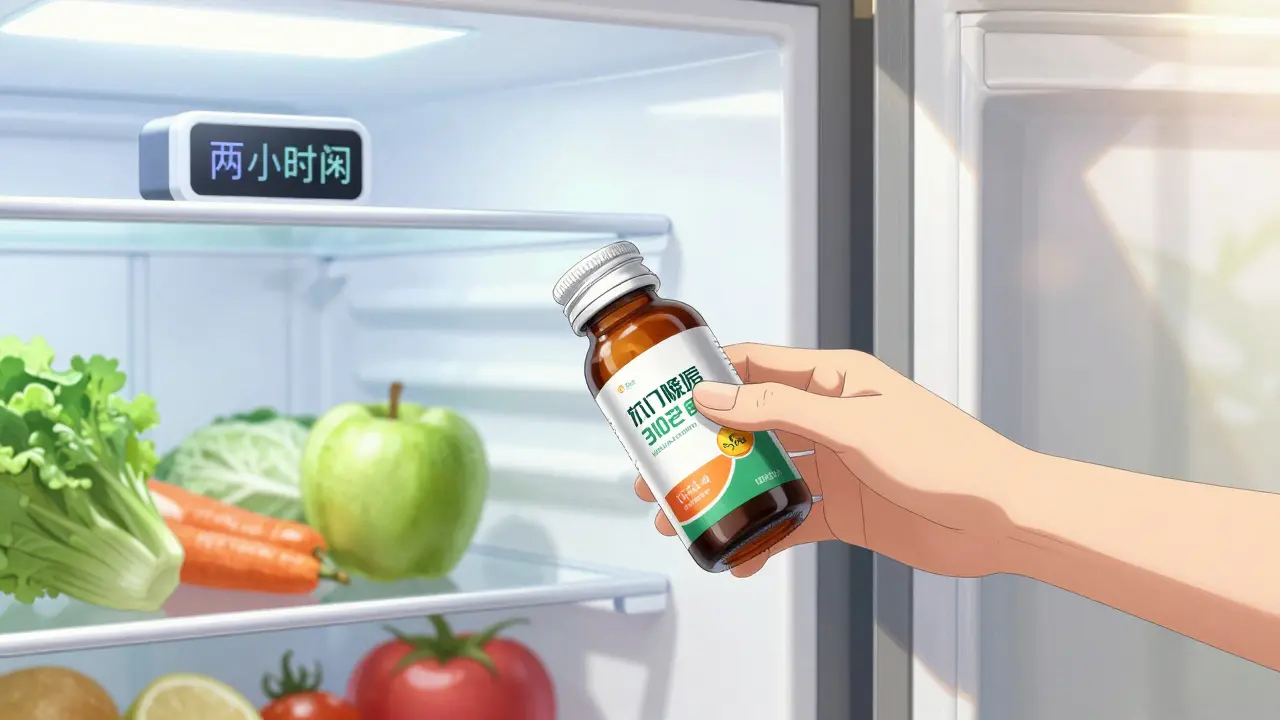
- Storage Matters: Refrigerated strains generally have higher viability (around 78%) compared to shelf-stable ones. If the bottle says "Keep Refrigerated," don't leave it on the counter.
- Avoid Aminoglycosides: If you are taking aminoglycoside antibiotics, check with your doctor, as these can directly inhibit certain probiotic strains more aggressively than others.
Can I take probiotics and antibiotics at the same time?
It's not recommended. Taking them simultaneously can allow the antibiotic to kill the probiotic bacteria. It is best to space them out by at least 2 hours to ensure the probiotic can survive and colonize your gut.
Which probiotic is best for antibiotic-associated diarrhea?
Lactobacillus rhamnosus GG and Saccharomyces boulardii have the strongest clinical evidence for reducing the incidence of AAD and preventing C. diff infections.
How long should I take probiotics after finishing my antibiotics?
While many stop once the medicine is gone, taking probiotics for an additional 1 to 2 weeks can help accelerate the restoration of your gut microbiome, especially for those who suffered significant digestive upset.
Are there any dangers to taking probiotics?
For the general population, they are very safe. However, people with severely compromised immune systems or those with central venous catheters should avoid them due to the risk of bacteremia.
Do I need to keep my probiotics in the fridge?
If the product specifies refrigeration, yes. Refrigerated strains typically show higher viability (about 78%) compared to shelf-stable versions, meaning more live bacteria actually reach your gut.
What to do next
If you are starting antibiotics tomorrow, start your probiotic today or immediately after your first dose to get that 48-hour lead time. If you experience severe abdominal pain or high fever during your treatment, stop the supplements and contact your doctor immediately, as this could signal a C. diff infection that requires medical intervention rather than just a supplement. For those recovering from a long-term hospital stay with broad-spectrum antibiotics, you may want to discuss more intensive recovery options, like microbiome-focused diets or clinical consortia, with a gastroenterologist.
8 Comments
April 26, 2026 Sharyl Foster
Actually, most of these 'gold standard' strains are just marketing hype pushed by Big Pharma. Most people just need to eat some actual kimchi or sauerkraut instead of popping expensive pills that probably aren't even live by the time they hit your stomach. Also, the 2-hour window is totally arbitrary and depends on the specific pharmacokinetic profile of the drug you're on, which this post completely ignores.
April 27, 2026 Jaclyn Vo
Um, hello? Did we just skip over the part about antibiotic resistance genes in commercial probiotics? 😱 That is literally terrifying! Like, imagine paying money to put drug-resistant bacteria into your own body! I'm shaking just thinking about it. 🙄 You guys seriously need to only buy the USP Verified ones or you're basically gambling with your life! 💅
April 28, 2026 Brittney Prince
This is all just a way to get us to buy more supplements while they pump us full of poison antibiotics. Total scam.
April 28, 2026 Michael Deane
I don't care what some fancy study says, we make the best supplements right here in the USA and anyone using those foreign-made generics is just asking for trouble because American quality control is the only thing that actually keeps a man healthy and strong in this day and age where everything is falling apart! You gotta trust the home-grown brands if you want to actually get your gut back in order after a round of meds and not end up feeling like a wet noodle for three weeks straight!
April 30, 2026 Elle Torres Sanz
It's really wonderful to see a breakdown of the different strains since everyone's body reacts so differently. I've always found that combining a fermented food approach with the clinical strains mentioned here creates a more holistic path to recovery for most people regardless of their background.
May 1, 2026 James Harrison
It makes one wonder about the balance between the desire to cure an acute infection and the long-term systemic cost to our inner ecology. We treat our bodies like battlefields instead of gardens, forgetting that the harmony of the microbiome is what truly sustains our mental and physical well-being over a lifetime.
May 2, 2026 Beena Garud
The intricate relationship between pharmaceutical interventions and the symbiotic flora of the human gut represents a profound duality of modern medicine. One must contemplate the ethical imperative of preserving the internal biological equilibrium while addressing the necessity of eradicating pathogenic threats to the physical form.
May 3, 2026 sachin singh
This is such a helpful guide! I am curious if there are specific dietary changes that can further support the action of Lactobacillus rhamnosus GG during the recovery phase to ensure the best possible outcome for the patient.
Write a comment