
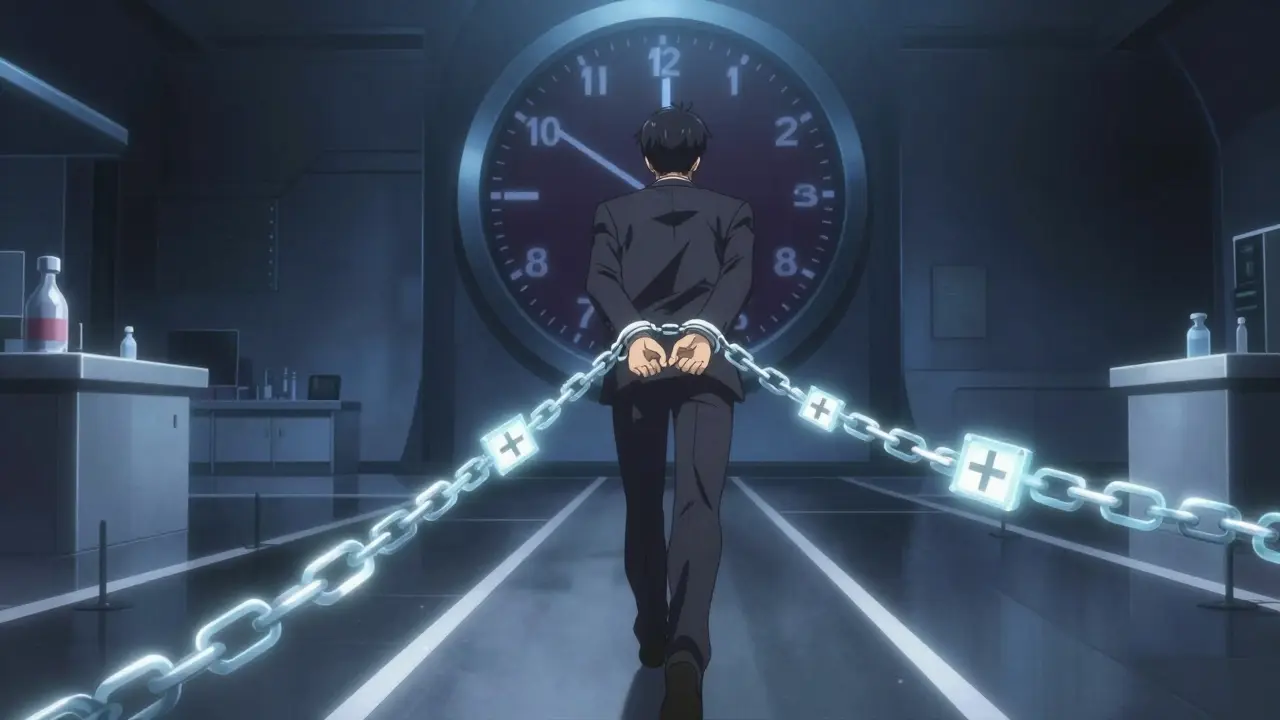
You have done the hard work. Your Abbreviated New Drug Application (ANDA) has passed the scientific review by the U.S. Food and Drug Administration (FDA). The data is solid. The manufacturing site is compliant. But you cannot sell a single pill yet. Instead, you receive a letter granting tentative approval. This status feels like standing on the starting line of a race with your hands tied behind your back. You are ready to run, but the gate won’t open until a specific date in the future.
This limbo period between regulatory clearance and legal permission to market is where billions of dollars are made or lost. For generic pharmaceutical companies, tentative approval is not just a bureaucratic formality; it is a strategic asset that secures your place in line. However, it requires active management. If you treat this phase as passive waiting, you risk missing your launch window entirely. Understanding how to navigate the intersection of patent litigation and regulatory timelines is the difference between capturing market share and watching competitors take it.
The Bridge Between Science and Law
To understand why you are stuck in this holding pattern, you need to look at the framework that created it. The Hatch-Waxman Act, officially known as the Drug Price Competition and Patent Term Restoration Act of 1984, established the current system. Signed into law by President Ronald Reagan, this legislation aimed to balance two competing interests: encouraging innovation through patents and promoting competition through generic drugs.
Tentative approval serves as the bridge in this system. It allows the FDA to complete its rigorous scientific review before the branded drug’s patents expire. Without this mechanism, generic manufacturers would have to wait until the very last day of patent protection to submit their applications, creating a bottleneck that could delay patient access to affordable medications for years. According to FDA guidance from September 2020, tentative approval means the application meets all substantive requirements for approval but is blocked solely by unexpired patents or exclusivity periods.
This status is distinct from final approval. Final approval grants immediate marketing rights. Tentative approval is a placeholder. It tells the world that your product is scientifically sound and legally prepared to enter the market the moment the barrier falls. As of 2023, the FDA processes approximately 1,000 tentative approvals annually. This high volume underscores its importance in the $75 billion U.S. generic pharmaceutical market.
The Strategic Value of Securing Your Spot
Why is securing tentative approval so critical? Because it locks in your position in the approval queue. In the highly competitive landscape of generic drugs, being first to market often determines financial success. When multiple generic companies file for the same drug, the first one to obtain tentative approval-and subsequently final approval-can benefit from 180-day exclusivity.
This exclusivity period prevents other generic competitors from entering the market for six months after the first generic launches. During this window, the first filer can capture 65% to 80% of the market share, according to Federal Trade Commission studies. This massive advantage makes the race for tentative approval intense. Companies invest heavily in Paragraph IV certifications, which challenge the validity of the branded drug’s patents, to accelerate their entry.
Receiving tentative approval is a major victory, but it is not the finish line. Industry experts emphasize that while the scientific hurdle is cleared, the legal and procedural hurdles remain. Dr. Howard S. Chahal, an expert in the FDA’s tentative approval process, notes that receiving this status is a significant win for developers, but the real work begins during the waiting period. You must actively manage the application to ensure that when the patent expires, you are ready to convert that tentative status into final approval without delay.
| Feature | Tentative Approval | Final Approval | Complete Response Letter (CRL) |
|---|---|---|---|
| Scientific Review | Completed | Completed | Incomplete or Deficient |
| Marketing Rights | Prohibited | Granted | N/A |
| Primary Barrier | Patents/Exclusivity | None | Regulatory Deficiencies |
| Action Required | Monitor Patents & Submit Amendments | Launch Marketing | Address FDA Concerns |
| Strategic Goal | Secure Queue Position | Generate Revenue | Achieve Compliance |

Active Management During the Waiting Period
A common misconception is that once you receive tentative approval, you can sit back and wait for the patent to expire. This is a dangerous assumption. The "waiting period" requires active engagement with the FDA. The agency does not automatically grant final approval when a patent expires. You must request it.
The FDA’s September 2020 guidance outlines specific timelines for submitting amendments to tentatively approved ANDAs. For minor changes, you must submit amendments at least three months before your desired final approval date. For major amendments, if the application has been in tentative approval status for three or more years, you must submit them ten months in advance. These timelines are strict. Missing them can push your launch date beyond the earliest lawful approval date, allowing competitors to beat you to market.
David J. Miller, a former FDA official and partner at Hyman, Phelps & McNamara, warns that the three-month window for minor amendments is often tighter than companies anticipate. He notes that many firms underestimate the time required for the FDA to review these requests, leading to unnecessary delays. To avoid this, regulatory affairs teams must maintain a precise patent expiration tracker. This tracker should be monitored by both legal and regulatory teams to ensure alignment between litigation outcomes and submission deadlines.
Furthermore, you must maintain current good manufacturing practices (cGMP) compliance throughout the tentative approval period. In 2022, 27% of delayed final approvals were attributed to cGMP issues at manufacturing facilities. Even if your paperwork is perfect, a lapse in manufacturing quality control can stall your launch. The FDA conducts inspections periodically, and any findings can reset the clock on your final approval.
Navigating Patent Litigation and Exclusivity
The most complex aspect of waiting for market entry is navigating the legal landscape. Generic manufacturers often challenge branded drug patents through Paragraph IV certifications. This triggers a 45-day notice period and potentially a 30-month litigation stay. During this stay, the brand company sues the generic manufacturer, arguing that their patents are valid. If the court agrees, the generic launch is delayed further.
If the court rules in favor of the generic manufacturer, or if the brand company decides not to sue, the litigation barrier is removed. At this point, the only remaining obstacle is the expiration of the patent term itself. However, calculating the "earliest lawful approval date" is tricky. It involves considering all patent listings in the Orange Book, as well as any non-patent exclusivity periods, such as pediatric exclusivity.
Miscalculating this date can be costly. For example, Mylan Pharmaceuticals experienced a six-month delay in launching its generic version of EpiPen because they failed to account for a pediatric exclusivity extension. Despite having tentative approval for 18 months, they missed the launch window. Conversely, Teva Pharmaceuticals successfully launched its generic Januvia by submitting its final approval request exactly 90 days before patent expiration, avoiding any delay.
Legal expert Aaron Kantor of Goodwin Procter LLP cautions that companies often underestimate the documentation required to demonstrate patent expiration. Providing clear, concise evidence to the FDA can prevent 30-60 day delays in final approval. This documentation must include proof that all relevant patents have expired or been invalidated. Working closely with intellectual property counsel is essential to ensure that every legal nuance is addressed.

Common Pitfalls and How to Avoid Them
Even experienced generic manufacturers stumble during the tentative approval phase. Analyzing industry data reveals several common pitfalls that lead to missed launch windows.
- Underestimating Amendment Timelines: Many companies assume the FDA will process final approval requests quickly. In reality, the agency needs time to verify that all conditions for final approval are met. Submitting requests too late is the most frequent cause of delay.
- Ignoring Minor Changes: Some firms believe that small changes to labeling or packaging do not require formal amendments. However, the FDA requires notification for any change that affects the product’s identity, strength, quality, or purity. Failing to disclose these changes can result in a loss of tentative approval status.
- Poor Cross-Functional Communication: Legal teams handling patent litigation and regulatory teams managing ANDA submissions often operate in silos. When these teams do not communicate, critical dates can be missed. Regular meetings between these departments are necessary to align strategies.
- cGMP Lapses: Maintaining manufacturing standards is an ongoing requirement. A facility inspection finding during the tentative approval period can trigger additional reviews, delaying final approval.
To avoid these pitfalls, establish a robust internal process. Create a checklist for final approval submissions that includes all required documentation. Conduct mock audits of your manufacturing sites to ensure cGMP compliance. And most importantly, build relationships with FDA reviewers early in the process. Pre-submission meetings can provide valuable insights into the agency’s expectations.
Real-World Success Stories
Success in converting tentative approval to market entry is achievable with careful planning. Lupin Limited provides a notable example. In 2018, Lupin successfully converted tentative approval for its generic version of Cialis into market entry within 24 hours of patent expiration. By meticulously tracking patent dates and submitting all necessary amendments well in advance, Lupin captured 42% of the market share in its first month.
This level of precision is what separates top performers from the rest. Larger generic companies, such as those in the top 10 by revenue, typically have 15-25 products in tentative approval status at any given time. They achieve this by institutionalizing best practices across their regulatory affairs departments. Smaller companies, averaging 2-5 products in this status, can also succeed by focusing resources on high-value targets and leveraging external expertise when needed.
The key takeaway is that tentative approval is not a passive state. It is a dynamic phase that requires continuous attention. By treating it as such, you can maximize your chances of a successful launch and capitalize on the significant financial rewards associated with being first to market.
What is the difference between tentative approval and final approval?
Tentative approval means the FDA has completed its scientific review of your ANDA and found it acceptable, but you cannot market the drug yet due to unexpired patents or exclusivity periods. Final approval removes these legal barriers and grants you the right to manufacture, distribute, and sell the generic drug in the U.S. market.
How long does the tentative approval process take?
The initial review cycle for an ANDA typically takes about 10 months under GDUFA goals. Once tentative approval is granted, the waiting period depends on the expiration date of the relevant patents or exclusivity periods, which can range from a few months to several years. The total time from submission to market entry often spans 18-36 months.
Can I make changes to my ANDA after receiving tentative approval?
Yes, but you must submit amendments to the FDA. For minor changes, submit at least three months before your desired final approval date. For major changes, especially if the application has been tentatively approved for over three years, submit ten months in advance. Failure to follow these timelines can delay your final approval.
What happens if I miss the deadline for submitting final approval?
If you miss the deadline, your final approval may be delayed until after the earliest lawful approval date. This can allow competitors who filed earlier or submitted their requests on time to launch first, potentially costing you significant market share and revenue.
Is tentative approval automatic upon patent expiration?
No. The FDA does not automatically grant final approval when a patent expires. You must actively request final approval by submitting the necessary documentation and demonstrating that all patent and exclusivity barriers have been resolved. The FDA then reviews this request, which can take up to 30 days for minor amendments.
10 Comments
May 13, 2026 Liz and Nick
seriously this whole system is just a scam to keep prices high and people sick
you get the approval but cant sell it
its like buying a car that wont start until next year
who designed this mess
May 13, 2026 Brian Fibelkorn
The regulatory framework necessitates rigorous adherence to statutory timelines, yet the current paradigm allows for egregious exploitation by incumbent pharmaceutical entities. The Hatch-Waxman Act was intended to foster innovation, not entrench monopolistic behaviors through procedural obfuscation. We must demand systemic reform to ensure equitable access to life-saving therapeutics without undue bureaucratic impediments.
May 14, 2026 David Rangkhal
I think we should all try to understand both sides here 😊
the companies need to make money to research new drugs
but patients also need affordable options
maybe there is a middle ground where everyone wins 🤝
May 14, 2026 Chelsea Grdina
Oh my gosh, I had no idea that getting tentative approval was such a huge deal! It sounds so stressful to be in that limbo period, waiting for months or even years while you can't actually sell your product. I feel like this is something that affects so many families who are trying to save money on their prescriptions, and it's really important that we pay attention to these details because every day counts when someone is sick. I hope that more people start talking about this issue so that maybe the FDA can speed up the process or find ways to help smaller companies navigate these complex legal hurdles without going bankrupt before they ever launch their generic versions of essential medications 💖✨
May 16, 2026 Sarah Kwiatkowski
This is a great breakdown of the process!
It really highlights how much strategy goes into launching a generic drug beyond just the science.
I bet the stress levels are insane for the teams involved during those waiting periods.
May 17, 2026 Brian LeClercq
Typical American inefficiency at its finest. We let foreign manufacturers cut corners while our own companies get bogged down in red tape. The patent system is broken and favors big pharma over the little guy. Fix it or lose your edge.
May 18, 2026 Frances Kendall
As someone who has worked in regulatory affairs, I can tell you that the 'waiting game' is the most critical phase. You have to maintain cGMP compliance while simultaneously tracking patent expirations and litigation outcomes. One slip-up in documentation or manufacturing quality control can cost you millions in lost market share. It is a delicate dance between legal strategy and operational excellence.
May 19, 2026 Natali Brown
Wow, reading this makes me realize how much work goes on behind the scenes! :o I always thought once the FDA said it was safe, it would just be available immediately. It’s kind of heartbreaking to think about patients waiting so long for cheaper options just because of these legal technicalities. I hope things improve soon for everyone involved ❤️
May 20, 2026 Kelsey Thomas
Interesting read! 👀
Never knew about the 180-day exclusivity rule.
Glad to see some companies navigating this successfully 🙌
May 21, 2026 swetha r
they say it's about patents but i know it's deeper than that
the big pharma lobby controls the FDA and keeps generics out to protect their stock prices
it's all a conspiracy to keep us dependent on expensive drugs
wake up sheeple 🐑
Write a comment