Drug Degradation: What It Is, Why It Matters, and How It Affects Your Medications
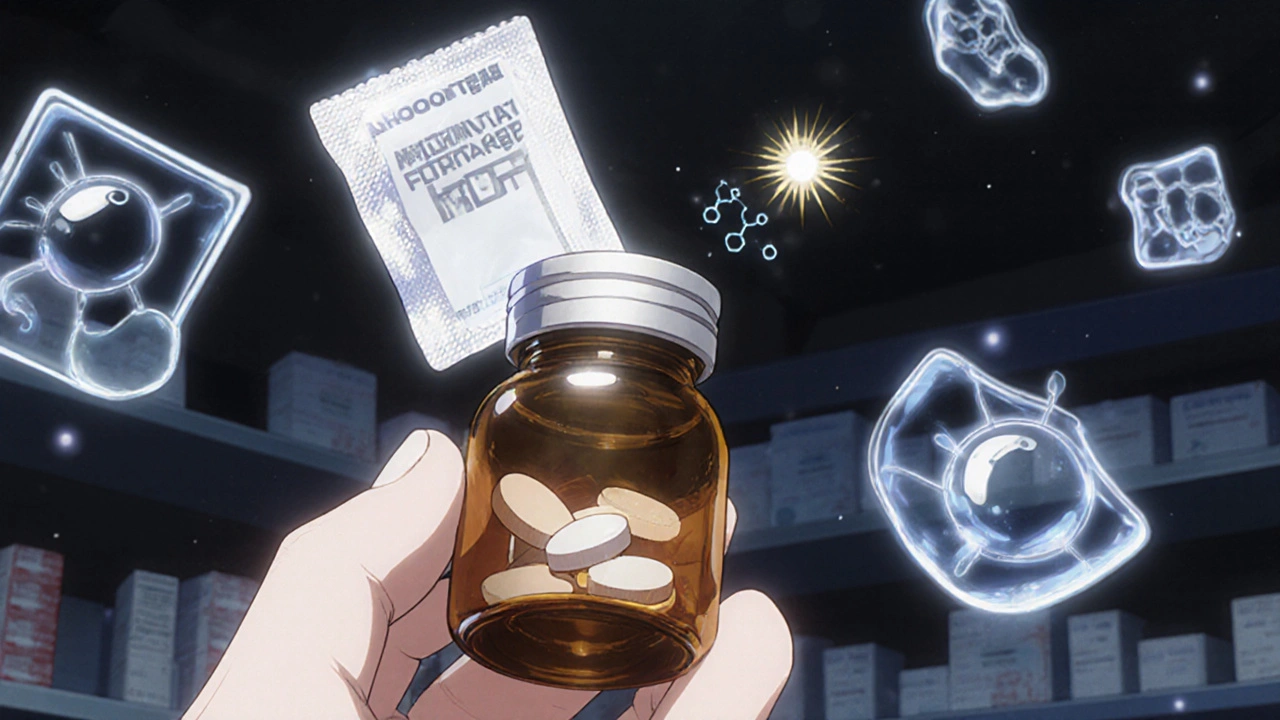
When we talk about drug degradation, the chemical breakdown of medications over time that reduces their effectiveness or creates harmful byproducts. Also known as pharmaceutical degradation, it’s not just about pills getting old—it’s about whether your medicine still does what it’s supposed to. Even if your bottle looks fine, the active ingredients inside can break down due to heat, moisture, light, or just time. This isn’t theoretical. Studies show that some antibiotics lose up to 50% of their potency after just six months past their expiration date if stored improperly.
Drug degradation doesn’t happen the same way for every medicine. medication stability, how long a drug maintains its chemical structure and effectiveness under normal conditions depends on its formula. Tablets with moisture-sensitive ingredients like nitroglycerin or certain antibiotics degrade faster than hard-coated pills. Liquid suspensions, eye drops, and insulin are especially vulnerable. Even the bottle material matters—some plastics allow tiny amounts of air or moisture to seep in, slowly breaking down the drug inside. That’s why your pharmacist gives you those little warning labels: "Keep in original container," "Refrigerate," "Protect from light." They’re not just being picky—they’re trying to keep your medicine working.
And here’s the real problem: most people don’t realize when their meds have degraded. You can’t see it. You can’t smell it. You don’t feel it until the drug stops working—or worse, causes unexpected side effects. A degraded blood thinner might not thin your blood enough, raising your stroke risk. An expired antibiotic could fail to kill an infection, letting it grow stronger. Even common painkillers like ibuprofen can break down into compounds that irritate your stomach. The FDA allows a small amount of degradation before labeling a drug expired, but that doesn’t mean it’s still safe or effective for you.
drug potency, the strength and biological activity of a medication at the time of use is what you’re really paying for. If your heart medication has lost 20% of its potency, you’re not getting the full benefit. If your antidepressant has degraded, your mood might dip without you knowing why. This isn’t just about savings—it’s about safety. That bottle of pills you’ve had since last winter? It might look fine, but if it’s been sitting on a bathroom counter or in a hot car, it’s probably not doing what it should.
That’s why the articles below dig into real-world cases where drug degradation played a hidden role—like why some people report sudden side effects after switching generics, how storage affects blood pressure meds, and why expired insulin can be deadly. You’ll find practical advice on how to check if your meds are still good, how to store them right, and when to toss them without guilt. No fluff. Just what you need to know to make sure your pills still work when you need them most.