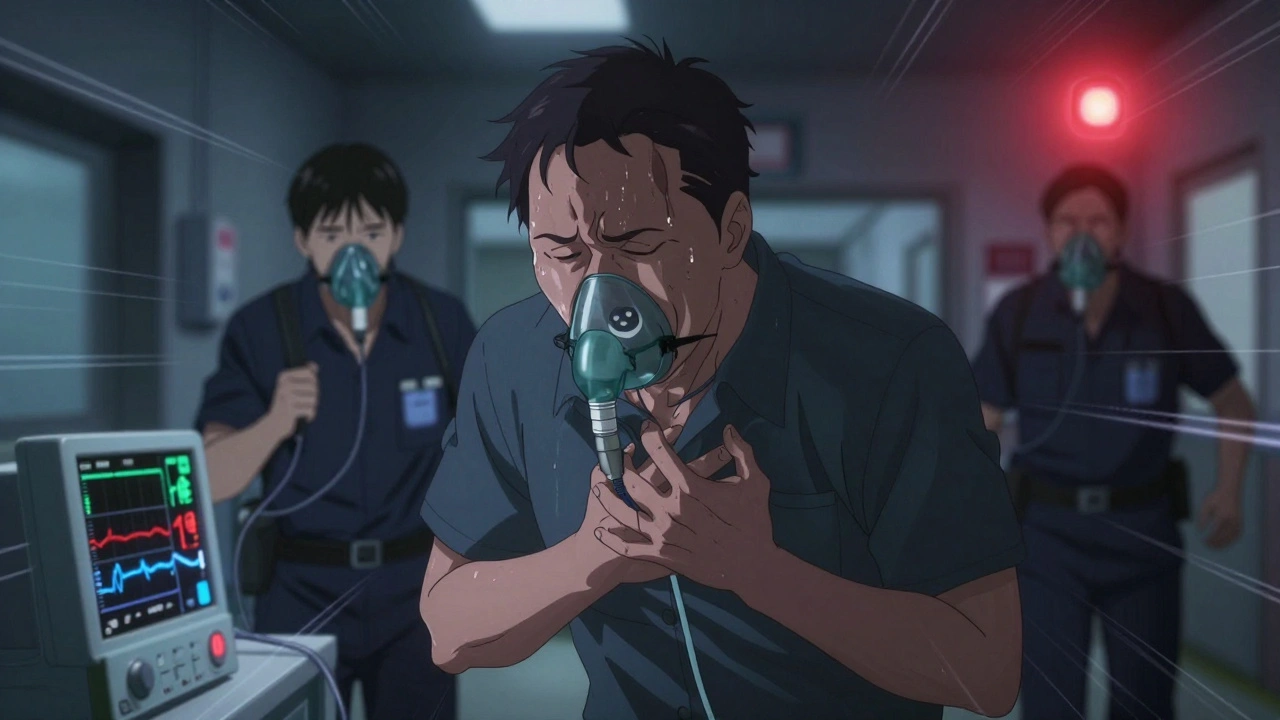
Chest Pain Evaluation: When to Go to the Emergency Department
Chest pain can signal a heart attack-or nothing serious. Learn the key signs that mean you need to call emergency services immediately, what happens in the ER, and when it’s safe to wait.

When you walk into an emergency department, a hospital unit designed to provide immediate care for life-threatening or urgent medical conditions. Also known as the ER, it’s where people go when they can’t wait—or when waiting could cost them their health. It’s not a doctor’s office. It’s not a clinic. It’s a high-stakes, fast-moving environment where staff prioritize based on how close you are to dying, not how long you’ve been waiting.
The emergency department, a critical access point for acute medical care in the U.S. healthcare system handles everything from heart attacks and broken bones to severe allergic reactions and drug overdoses. But it also sees a lot of things that don’t belong there—like colds, mild rashes, or back pain that could’ve been handled by a primary care provider. That’s why triage nurses are the first line of defense: they sort patients by severity, not arrival time. A person with chest pain gets seen before someone with a runny nose, even if the latter arrived three hours earlier.
What you might not realize is how much of what happens in the emergency department, a frontline setting where medication errors, drug interactions, and diagnostic delays can have serious consequences ties directly to the medications you’re already taking. Decongestants can spike blood pressure. Generic switches can throw off your INR if you’re on warfarin. Rifampin can make your birth control useless. These aren’t theoretical risks—they’re real, documented problems that show up in ER visits every day. And when you’re lying on a gurney, confused and in pain, the last thing you want is for your meds to be the reason things got worse.
That’s why the articles below don’t just talk about ERs in theory. They show you what actually goes wrong—and how to avoid it. You’ll find real-world breakdowns of how common conditions like the flu or skin infections get misdiagnosed in the ER, why certain OTC meds are dangerous if you’re on blood pressure pills, and how to recognize when a side effect from your regular meds turns into an emergency. You’ll learn why some people end up back in the ER after being discharged, and what you can do to prevent it.
Whether you’ve been to the ER once or ten times, you’ll walk away knowing how to ask the right questions, what to bring with you, and which symptoms mean you need to go now—not tomorrow. This isn’t about scaring you. It’s about giving you control. Because in the emergency department, the difference between getting help and getting lost often comes down to what you know before you walk through the doors.
Chest pain can signal a heart attack-or nothing serious. Learn the key signs that mean you need to call emergency services immediately, what happens in the ER, and when it’s safe to wait.