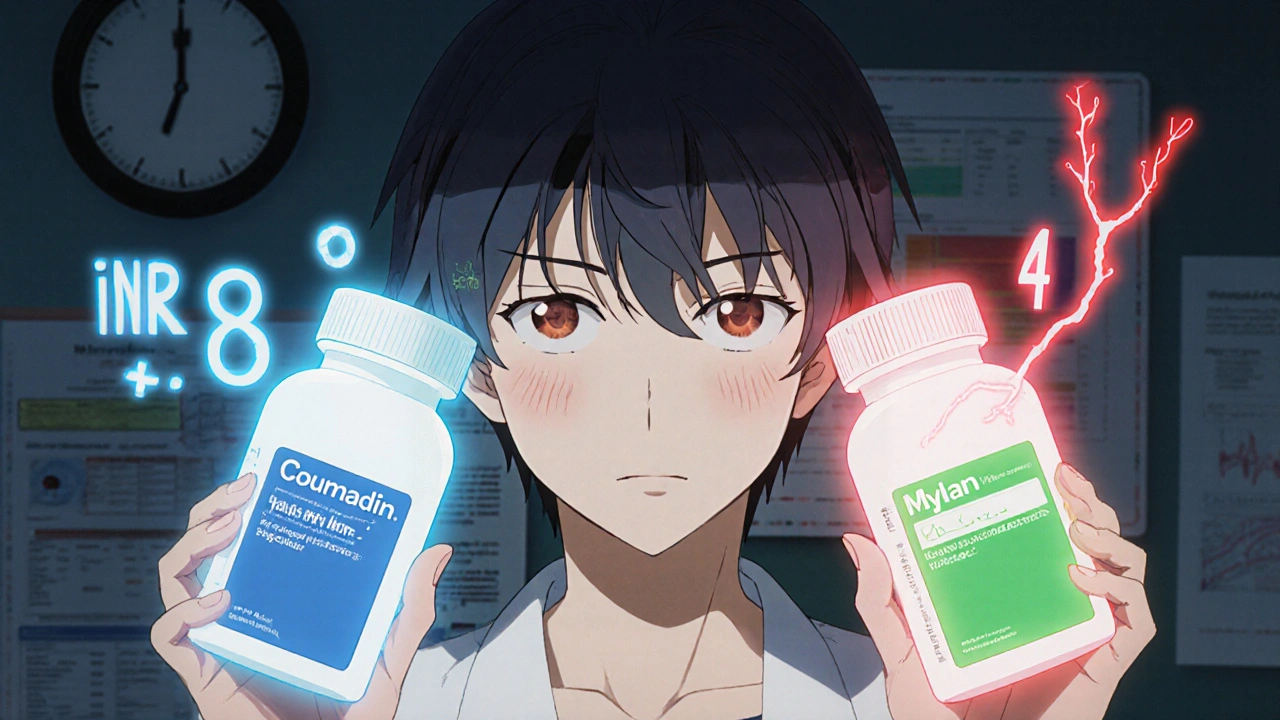
Generic Switching: What It Really Means for Your Health and Wallet
When you hear generic switching, the practice of replacing a brand-name drug with a chemically identical generic version, often to cut costs. Also known as therapeutic substitution, it's a routine move in pharmacies and insurance plans—but the real impact happens in your body and your mind. The FDA says generics work the same way as brand-name drugs. Same active ingredient. Same dose. Same effectiveness. So why do so many people feel worse after switching? Or worse yet—stop taking their meds altogether?
It’s not always about chemistry. It’s about brand psychology, how your brain associates the look, size, or color of a pill with how well it works. A patient who’s been on a blue pill for years might swear the new white one doesn’t do the same thing—even when lab tests prove otherwise. That’s not placebo. It’s real fear. And fear leads to missed doses, which leads to hospital visits. Meanwhile, drug cost savings, the main driver behind generic switching in the U.S. healthcare system can be huge: some generics cost 80% less than their brand-name cousins. But if you don’t take the drug because you don’t trust it, those savings vanish.
What’s missing from most discussions is the human side. medication adherence, how consistently a patient takes their prescribed drugs drops sharply after a switch—even when the science says it shouldn’t. Why? Because patients aren’t consulted. They’re handed a new pill with no explanation. No warning. No chance to ask how it’s different, even if it isn’t. That’s why online reviews of generics are full of stories like: "I switched and my headaches got worse," or "My anxiety spiked after the pharmacy changed my pill." These aren’t always about the drug—they’re about control. About feeling heard. About fear of the unknown.
And here’s the twist: not all generics are created equal in practice. While the active ingredient is identical, the fillers, dyes, and coatings can vary. For some people—especially those with allergies, sensitive stomachs, or neurological conditions—those tiny differences matter. One person might switch from brand-name Lamictal to generic lamotrigine and feel fine. Another might get a rash, dizziness, or mood swings. It’s rare, but it happens. And when it does, doctors often dismiss it as "just in your head." But if you’ve lived with a condition long enough, you know your body. And when your body changes after a switch, it’s not imaginary.
So what should you do? Don’t assume generic switching is harmless. Don’t assume it’s dangerous. Ask questions. Ask your pharmacist: "Is this the same as what I was on?" Ask your doctor: "Could this change affect how I feel?" Track how you feel before and after. Write it down. Bring it up. The system is built to save money—but your health shouldn’t be the trade-off.
Below, you’ll find real stories and data from people who’ve been through this. From how online reviews shape trust in generics, to why some heart patients feel worse after switching, to what actually works when you’re trying to stick to a cheaper pill. This isn’t theory. It’s what happens when money meets medicine—and how you can protect yourself in the middle.