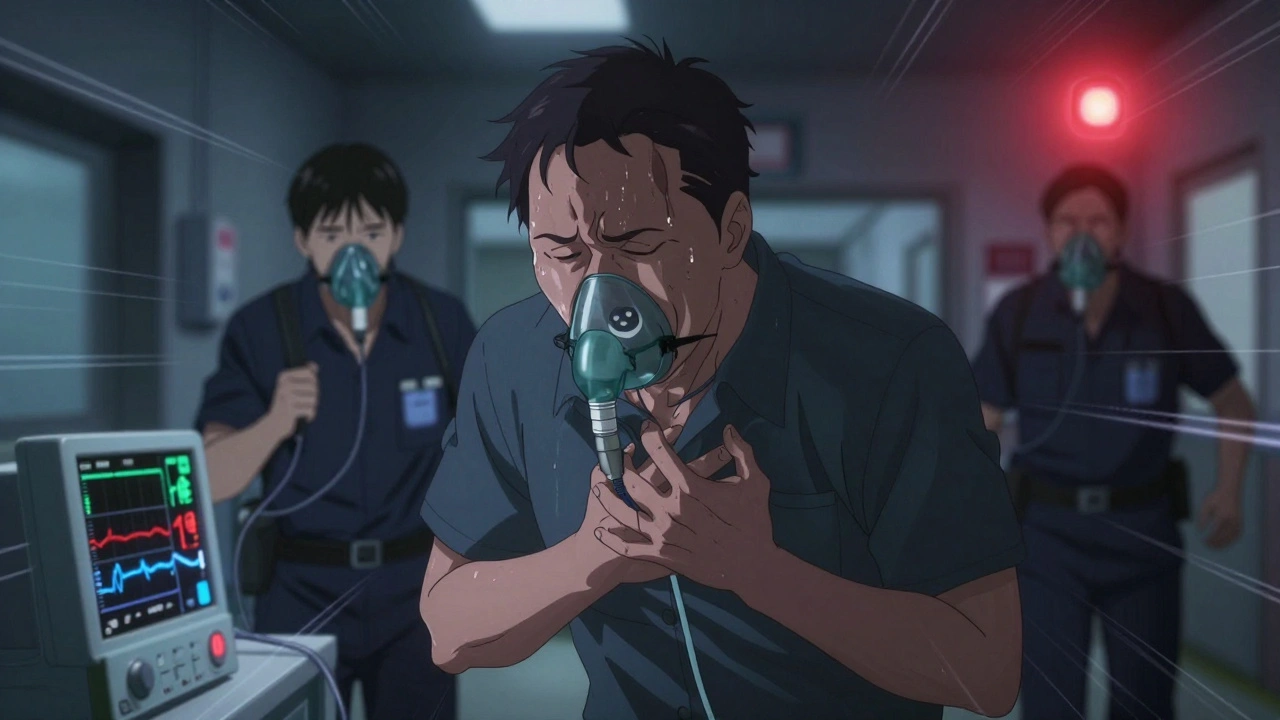
Chest Pain Evaluation: When to Go to the Emergency Department
Chest pain can signal a heart attack-or nothing serious. Learn the key signs that mean you need to call emergency services immediately, what happens in the ER, and when it’s safe to wait.

When your heart attack, a sudden blockage of blood flow to the heart muscle that can cause permanent damage or death. Also known as myocardial infarction, it doesn’t always feel like a movie scene—no clutching chest, no dramatic collapse. Sometimes it’s just fatigue, nausea, or a weird pressure in your jaw. That’s why so many people delay calling 911. A heart attack happens when plaque in your coronary arteries ruptures, forming a clot that cuts off oxygen to part of your heart. Without quick action, that muscle tissue dies. And every minute counts.
Men and women often experience heart attacks differently. Men are more likely to feel crushing chest pain, while women may have subtle signs like back pain, vomiting, or extreme tiredness. Older adults and people with diabetes might feel nothing at all—just confusion or shortness of breath. That’s why knowing your risk matters. High blood pressure, smoking, diabetes, and high cholesterol are the big ones. But so is stress, lack of sleep, and sitting too long. Even if you’re young, if you’ve got two or more of these, you’re not immune. And yes, genetics play a role too. If a close relative had a heart attack before 55, you need to be extra careful.
What you do in the first 10 minutes can save your life. Chewing an aspirin (if you’re not allergic) while waiting for paramedics helps thin the blood and slow the clot. Don’t drive yourself. Don’t wait to see if it goes away. And don’t rely on home remedies. The heart attack treatment, emergency medical interventions like angioplasty or clot-busting drugs that restore blood flow works best when started within an hour. Hospitals have protocols for this—every second is tracked. The sooner you get there, the more heart muscle you save.
After a heart attack, recovery isn’t just about meds. It’s about changing how you live. Cardiac rehab programs—supervised exercise, nutrition coaching, stress management—cut your risk of another event by nearly half. But most people skip it. Why? They think they’re fine once the pain stops. They’re not. The damage is done, and your heart needs time to heal. That means quitting smoking, eating real food, moving daily, and taking your pills—even if you feel great. The heart attack prevention, lifestyle and medical strategies that reduce the chance of a first or recurrent cardiac event isn’t about willpower. It’s about systems: daily habits, regular checkups, and knowing your numbers.
Below, you’ll find real-world advice from posts that dig into the details most guides skip. You’ll learn how decongestants can raise your blood pressure and trigger a crisis, why switching generics for heart meds can be risky, how vitamin K affects blood thinners after a heart event, and what medications increase fall risk in older survivors. These aren’t theory pieces—they’re based on clinical data, patient experiences, and what actually works in daily life. Whether you’re worried about your own risk, caring for someone who had a heart attack, or just trying to stay healthy, what follows will help you make smarter choices—before it’s too late.
Chest pain can signal a heart attack-or nothing serious. Learn the key signs that mean you need to call emergency services immediately, what happens in the ER, and when it’s safe to wait.