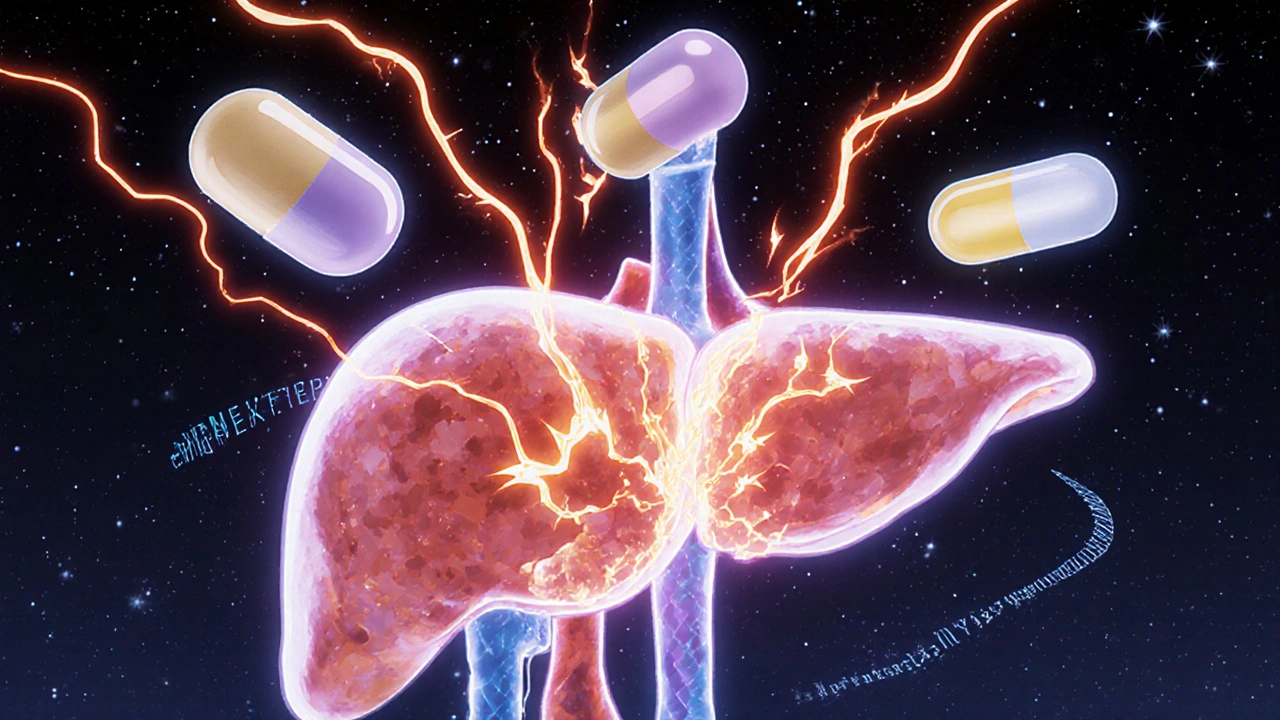
Hepatotoxicity: What It Is, Which Drugs Cause It, and How to Stay Safe
When your liver gets hurt by something you took on purpose—like a pill, supplement, or even an over-the-counter painkiller—that’s called hepatotoxicity, liver damage caused by drugs or chemicals. Also known as drug-induced liver injury, it’s not rare, and it doesn’t always come with warning signs until it’s already serious. Your liver is your body’s main filter. It breaks down meds, cleans toxins, and keeps your blood balanced. But when a drug or supplement overwhelms it, even for a short time, it can trigger inflammation, cell death, or even liver failure.
Some of the most common culprits? Painkillers like acetaminophen (Tylenol), especially if you take too much or mix it with alcohol. Antibiotics like amoxicillin-clavulanate, antifungals, and even some herbal supplements like kava or green tea extract have been linked to liver damage. Even medications you’d never suspect—like statins for cholesterol or certain antidepressants—can quietly stress your liver over time. The risk isn’t the same for everyone. Genetics, age, existing liver conditions, and how many other drugs you’re taking all play a role. For example, people with the SLCO1B1 gene variant may process statins slower, raising their risk of side effects—including liver stress.
Here’s what you need to watch for: unexplained fatigue, dark urine, yellow skin or eyes (jaundice), nausea, or pain in your upper right belly. These aren’t always obvious at first. Many people ignore them, thinking it’s just a stomach bug or stress. But if you’ve started a new medication in the last few weeks and feel off, get your liver checked. A simple blood test—looking at ALT, AST, and bilirubin levels—can catch problems early. And if you’re on long-term meds, ask your doctor about periodic liver function tests. It’s not about fear. It’s about awareness.
Some drugs cause harm right away. Others take months or even years. That’s why delayed medication side effects are so tricky. You might think you’re fine because you’ve been taking the pill for a year. But hepatotoxicity can sneak up on you. That’s why knowing your meds inside and out matters. Check if your prescription is on any known liver-toxicity lists. Talk to your pharmacist. Don’t assume natural means safe—many herbal products are unregulated and can pack a hidden punch.
And here’s the thing: you don’t have to stop your meds just because there’s a risk. Most people take these drugs without any liver issues. But knowing the signs, asking the right questions, and monitoring your body gives you control. You’re not just taking pills—you’re managing your health. And when it comes to your liver, small steps make a big difference.
Below, you’ll find real-world guides on how to spot liver damage from common drugs, what to do if you’re on multiple medications, and how to protect your liver while still getting the treatment you need. These aren’t theory pieces—they’re based on actual patient experiences, clinical data, and current guidelines. Whether you’re on statins, antipsychotics, or just taking OTC pain relievers, there’s something here that will help you stay safe.