Influenza Complications: What You Need to Know About Serious Risks and How to Avoid Them
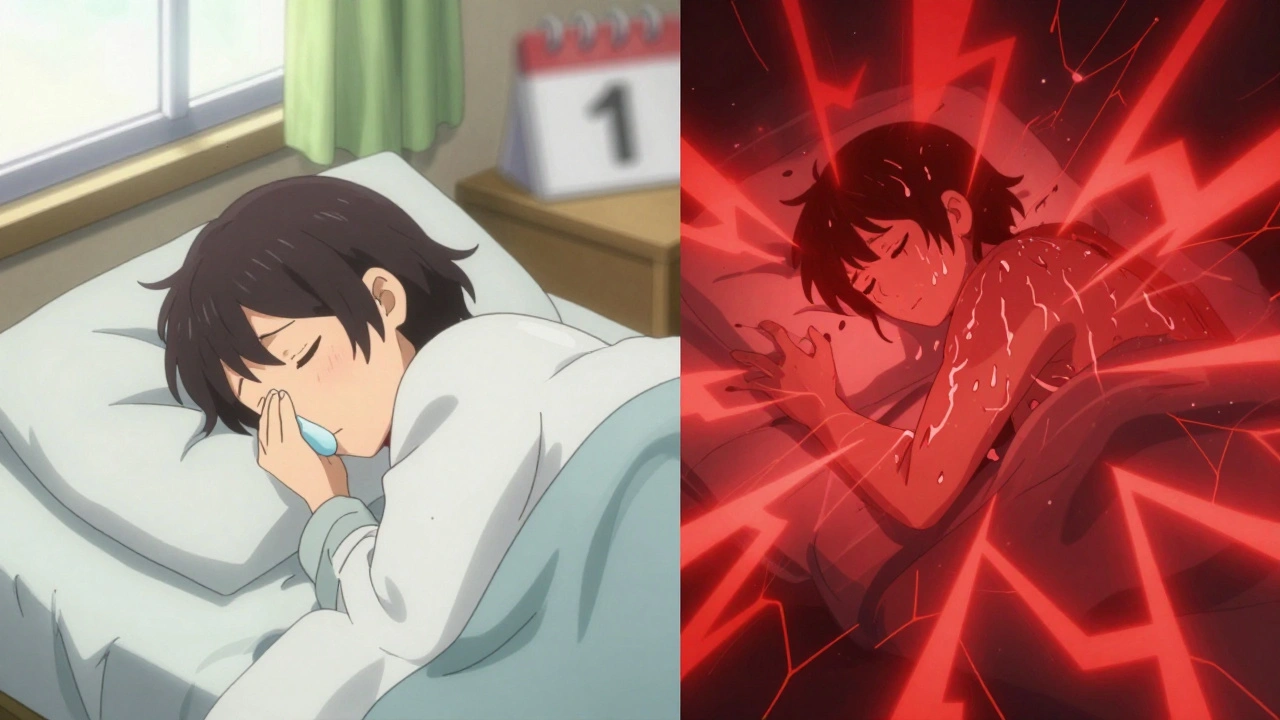
When you get the influenza, a viral infection that attacks the respiratory system and can trigger dangerous secondary health events. Also known as the flu, it’s more than just a stuffy nose and fever—it’s a system-wide stress test that can push your body past its limits. Most people recover in a week or two, but for some, the flu doesn’t stop at the cough and chills. It opens the door to pneumonia, a serious lung infection that often follows the flu and is the most common cause of flu-related hospitalizations. This isn’t just a rumor—it’s why the CDC tracks flu deaths every year, and why older adults, pregnant people, and those with chronic conditions are told to get vaccinated before flu season even starts.
What most people don’t realize is that the flu doesn’t just hurt your lungs. It can trigger heart problems, including heart attacks and worsening heart failure, especially in people with existing cardiovascular disease. A 2018 study in the New England Journal of Medicine found that the risk of a heart attack is six times higher in the week after a flu diagnosis. Even if you think you’re healthy, your immune system is working overtime fighting the virus, and that stress can cause plaques in your arteries to rupture. Then there are secondary infections, like bacterial sinusitis, ear infections, or bronchitis, that come after the virus weakens your defenses. These aren’t rare—they’re predictable, and they’re preventable with early action.
Some complications show up quietly. A sudden drop in energy after you thought you were getting better? That’s not just fatigue—it could be your body struggling with a secondary infection. Shortness of breath that doesn’t go away? Don’t wait to see if it gets better. Confusion or dizziness in an older adult? That’s not normal aging—it’s a red flag for sepsis or low oxygen. The flu doesn’t always scream for help. Sometimes it whispers, and if you miss the signs, you risk ending up in the hospital.
Below, you’ll find real-world stories and clinical insights from people who’ve been through this—how a simple cough turned into weeks in the ICU, why some people recover faster than others, and what medications to avoid when your body is already under strain. You’ll also learn what doctors look for when they suspect complications, and how to talk to your provider before it’s too late. This isn’t about fear. It’s about knowing when to act.