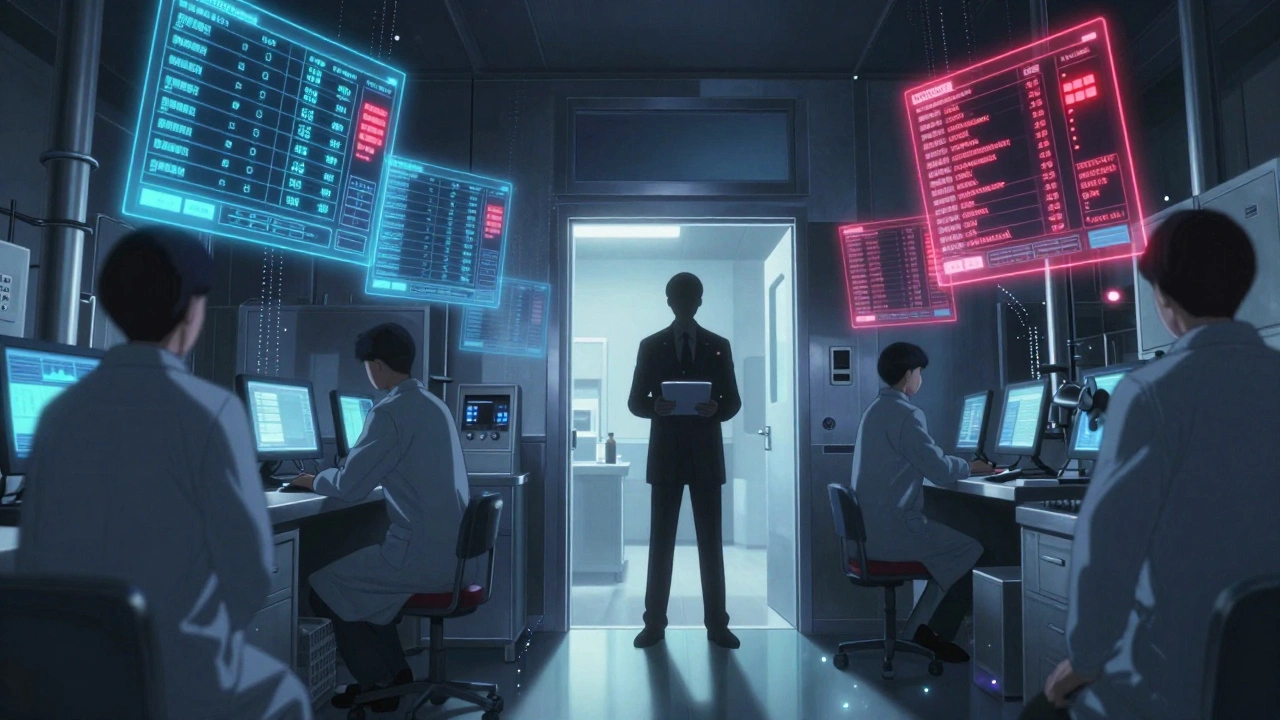
FDA Form 483: What It Is, Why It Matters, and How It Affects Your Medications
When the FDA Form 483, a formal notice issued by the U.S. Food and Drug Administration after inspecting a drug manufacturing facility. Also known as Notice of Observations, it’s not a fine or shutdown order—but it’s the first red flag that something’s wrong with how a medicine is made. This document lists specific problems found during an unannounced visit to a factory, lab, or packaging site. It’s how the FDA tells a company: ‘You’re not following the rules, and we’re watching.’
These inspections happen all the time—thousands each year. They check everything: clean rooms, equipment calibration, worker training, record-keeping, and even how they handle complaints. If a lab uses dirty tools to mix active ingredients, or if data gets altered to hide failures, the FDA writes it down on Form 483. And when that happens, it doesn’t just affect the company—it can delay your prescription, cause a shortage, or even lead to a recall. That’s why you should care. The drug manufacturing, the process of producing pharmaceuticals under strict quality controls you never see is the same one that ends up in your pill bottle.
Form 483s often show up in the same places: factories in India and China that supply most of the world’s generics, or small U.S. labs cutting corners to save money. You’ll see patterns across the posts here: problems with generic drug supply chain, how medications move from overseas labs to local pharmacies, unstable repackaged pills, or inconsistent active ingredients—all things that can start with an FDA inspection and a Form 483. It’s also tied to why some people get side effects after switching generics, or why certain drugs suddenly disappear from shelves.
The real impact? A Form 483 doesn’t stop sales right away. But if the company doesn’t fix the issues fast, the FDA can block shipments, refuse approval of new products, or even issue a warning letter. That’s when patients feel it—delayed refills, higher prices, or worse, medicines that don’t work as expected. And because so many of the articles here focus on medication safety, supply, and side effects, you’ll notice how often Form 483s are the hidden root cause.
It’s not about fear. It’s about awareness. Knowing that a Form 483 exists means you understand why some medications are trusted more than others, why your pharmacy might switch brands without warning, or why your doctor asks if you’ve noticed changes after a refill. The system isn’t perfect—but it’s watching. And when it finds a problem, it doesn’t stay quiet.
Below, you’ll find real stories from patients, pharmacists, and regulators that connect directly to these inspections. From how a single violation led to a nationwide shortage of thyroid meds, to why some generic pills cause unexpected reactions, these posts show you what happens after the inspectors leave—and why it matters to you.