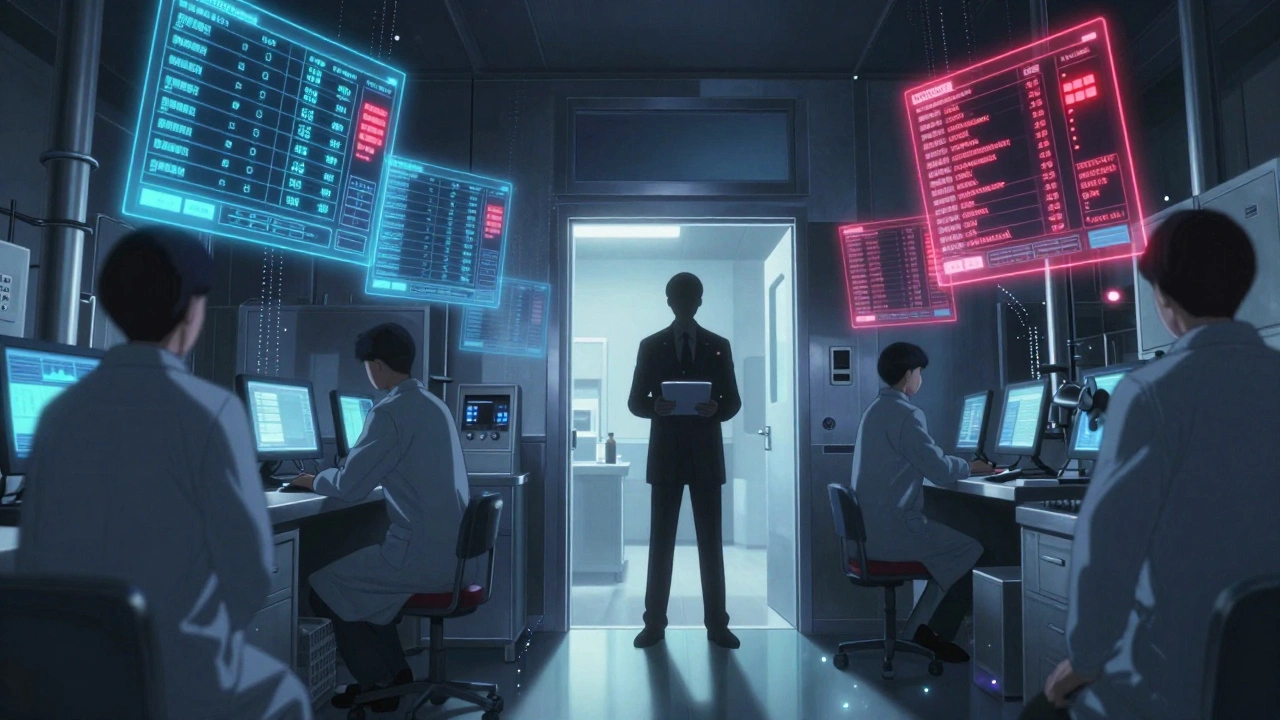
FDA Inspection Records: What They Reveal About Drug Safety and Manufacturing
When you take a pill, you trust it’s safe, effective, and made under clean conditions. But that trust depends on FDA inspection records, official reports from the U.S. Food and Drug Administration detailing inspections of drug factories worldwide. These records are the only public window into how medications are really made—far from marketing claims and pharmacy shelves. They don’t just list violations; they show patterns: dirty floors in India, missing data in China, or labs skipping stability tests. And they’re not rare—over 2,000 inspections happen every year, mostly overseas, where most of your pills come from.
Generic drugs, the 90% of prescriptions filled in the U.S. that cost far less than brand names, rely on the same factories and supply chains. That’s why FDA inspection records often reveal the same problems in generic makers as in big pharma: poor quality control, falsified test results, or raw ingredients shipped without proper checks. When a factory gets a warning letter for failing to clean equipment between batches, it’s not just paperwork—it’s the reason some patients get side effects after switching generics. And when inspectors find no system to track where active ingredients come from, that’s how counterfeit drugs slip in.
Pharmaceutical compliance, the rules factories must follow to keep selling medicines in the U.S. isn’t just about paperwork. It’s about clean air filters, trained staff, and real-time data logging. But inspection records show many sites cut corners: missing temperature logs for sensitive drugs, unqualified workers handling sterile products, or ignoring contamination alerts. These aren’t hypothetical risks. They’re documented failures—like the 2018 inspection that found mold growing in a facility making asthma inhalers, or the 2020 report revealing a factory reused vials without cleaning them between uses.
These records also explain why drug shortages keep happening. When the FDA shuts down a factory for repeated violations, it doesn’t just affect one brand—it can ripple through the entire supply chain. A single plant in China might supply the active ingredient for dozens of generic blood pressure pills. If that plant fails inspection, those pills vanish from shelves. And because the FDA doesn’t always publicly name every violation right away, patients and doctors often don’t know why a medication suddenly isn’t working the same.
What you’ll find in the articles below aren’t just stories about pills—they’re real cases tied to inspection findings. You’ll see how a failed audit led to dangerous side effects from a generic thyroid drug, why blockchain is being used to track every pill’s journey after counterfeit problems surfaced, and how a single overlooked cleaning step in a lab caused a nationwide recall. These aren’t abstract regulations. They’re the hidden reasons your medicine might work—or might not.