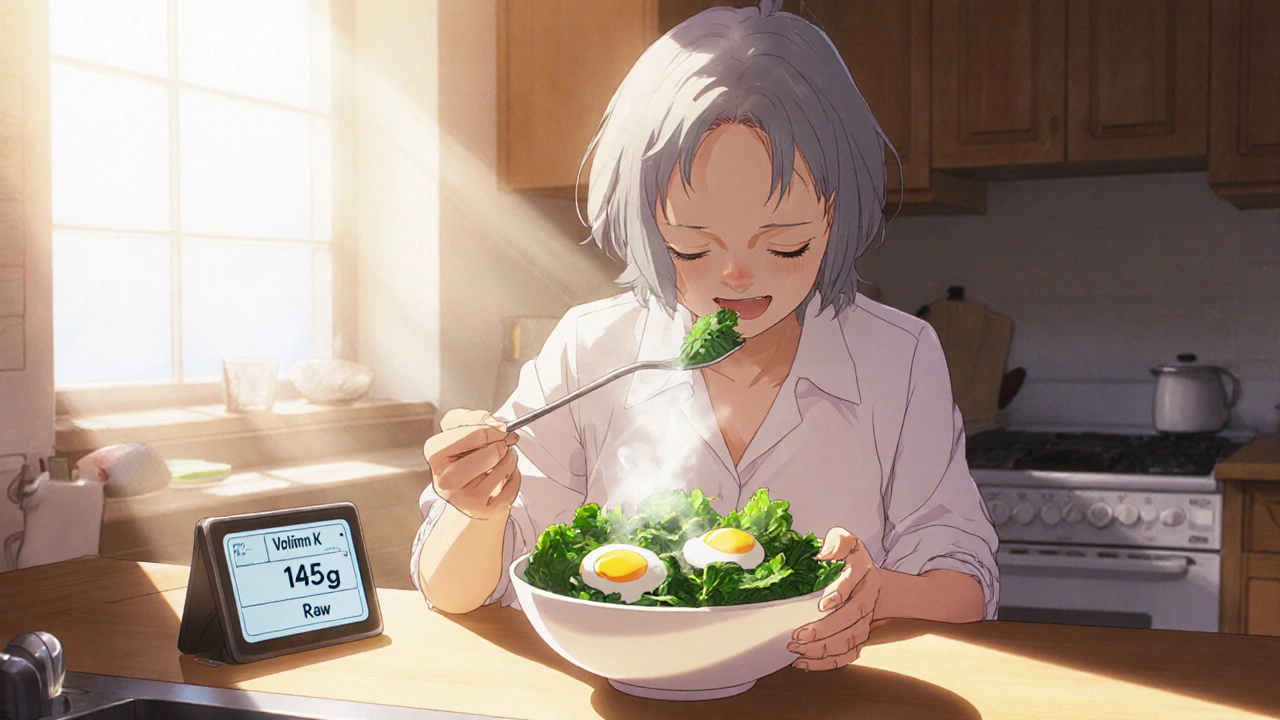
Vitamin K Foods: Best Sources and Why They Matter for Your Health
When you think about vitamins, you probably think of vitamin C for colds or vitamin D for bones—but vitamin K, a fat-soluble vitamin essential for blood clotting and bone metabolism. Also known as phylloquinone, it’s the quiet hero behind stopping cuts from bleeding too long and keeping your bones strong as you age. Most people don’t realize they need it daily, and even fewer know where to find it in food. Unlike vitamin D, you can’t get enough from sunlight. Unlike vitamin C, it’s not in every orange. You need to eat it—specifically, the right kinds of food.
Vitamin K1, the plant-based form found in leafy greens. Also known as phylloquinone, it’s the main type in your diet and the one your body uses first for blood clotting. Think spinach, kale, collard greens, and broccoli. Just one cup of cooked kale gives you over 1,000% of your daily need. Then there’s vitamin K2, a form made by bacteria, found in fermented foods and animal products. Also known as menaquinone, it’s the one that actually directs calcium to your bones instead of letting it build up in your arteries. You’ll find it in natto (fermented soy), hard cheeses like gouda, egg yolks, and grass-fed butter. Most supplements and multivitamins don’t even include K2—and that’s a problem, because K1 and K2 work differently. K1 stops bleeding fast. K2 keeps your heart and bones healthy long-term.
Why does this matter now? Because more people are on blood thinners like warfarin, and they need to keep vitamin K intake stable—too much or too little can throw off their INR levels. At the same time, older adults are at higher risk for bone fractures, and studies show K2 helps reduce that risk. Even kids who skip greens are missing out on a vitamin that supports brain development and cardiovascular health. The truth? Most Americans don’t eat enough leafy greens, and they’re not eating fermented foods either. That’s why vitamin K deficiency is quietly common—even if it doesn’t show up as bleeding right away.
You don’t need supplements unless you’re on long-term antibiotics, have a digestive disorder, or are on warfarin. The best way to get vitamin K is through food. A salad with spinach, a slice of gouda, and an egg for breakfast covers your bases. If you’re eating a variety of vegetables, especially dark leafy ones, you’re probably doing fine. But if you’re avoiding fats or low-fat diets, you’re not absorbing it—vitamin K needs fat to be absorbed. That’s why olive oil drizzled on your greens isn’t just flavor—it’s functional.
Below, you’ll find real, practical articles that dig into how vitamin K interacts with medications, why some people need more than others, and what foods actually deliver the most bang for your buck. No fluff. Just what works, backed by real-world data and clinical insights.