
Exercise for Cardiac Health: Safe Training After Heart Events
Learn how to safely return to exercise after a heart event. Explore the phases of cardiac rehabilitation, warning signs, and professional training tips for heart health.

Learn how to safely return to exercise after a heart event. Explore the phases of cardiac rehabilitation, warning signs, and professional training tips for heart health.

Understand the critical link between isoniazid metabolism and liver damage. This guide details drug interactions, genetic risk factors, and monitoring protocols for safe TB therapy.

Learn how to maintain healthy sleep habits when your prescription medications cause side effects like insomnia or grogginess. Discover proven strategies.

A practical guide for parents to avoid pediatric antihistamine dosing errors. Learn safe measurement techniques, understand drug differences, and recognize warning signs.

Using two patient identifiers in the pharmacy is a critical safety practice that prevents medication errors. Learn how this rule works, why technology like barcode scanning is essential, and what happens when it’s ignored.
Medication safety prevents harmful errors in drug use, protecting patients from preventable injuries, hospitalizations, and death. With over 1.5 million ER visits each year tied to medication mistakes, it’s not just a healthcare policy - it’s a personal responsibility.

Silicosis and asbestosis are preventable occupational lung diseases caused by inhaling silica dust and asbestos fibers. Learn how engineering controls, respirators, and workplace culture can stop these deadly conditions before they start.

Simplifying medication regimens for older adults reduces pill burden, improves adherence, and supports independent living. Learn how combining doses, switching to once-daily pills, and aligning schedules with daily routines can make a real difference.

Hydration plans can significantly reduce kidney damage from contrast dye used in imaging tests. Learn which protocols work best, who needs IV fluids, and why drinking water may be enough for many patients.
Vitamin E may seem harmless, but when taken with warfarin, doses above 400 IU daily can dangerously increase bleeding risk. Learn what the latest evidence says and how to stay safe.
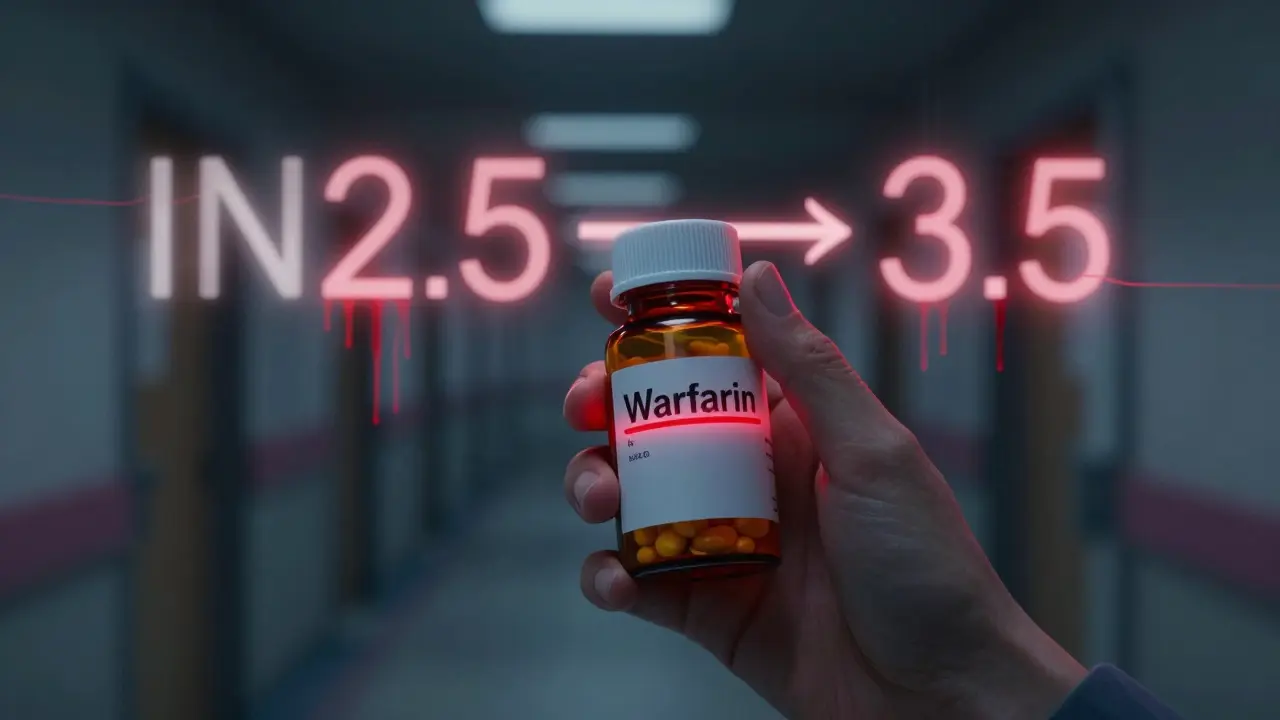
NTI drugs have a tiny margin between effective and toxic doses. Common examples include warfarin, digoxin, lithium, phenytoin, and tacrolimus. Even small changes in dose or brand can cause serious harm. Monitoring and careful management are essential.
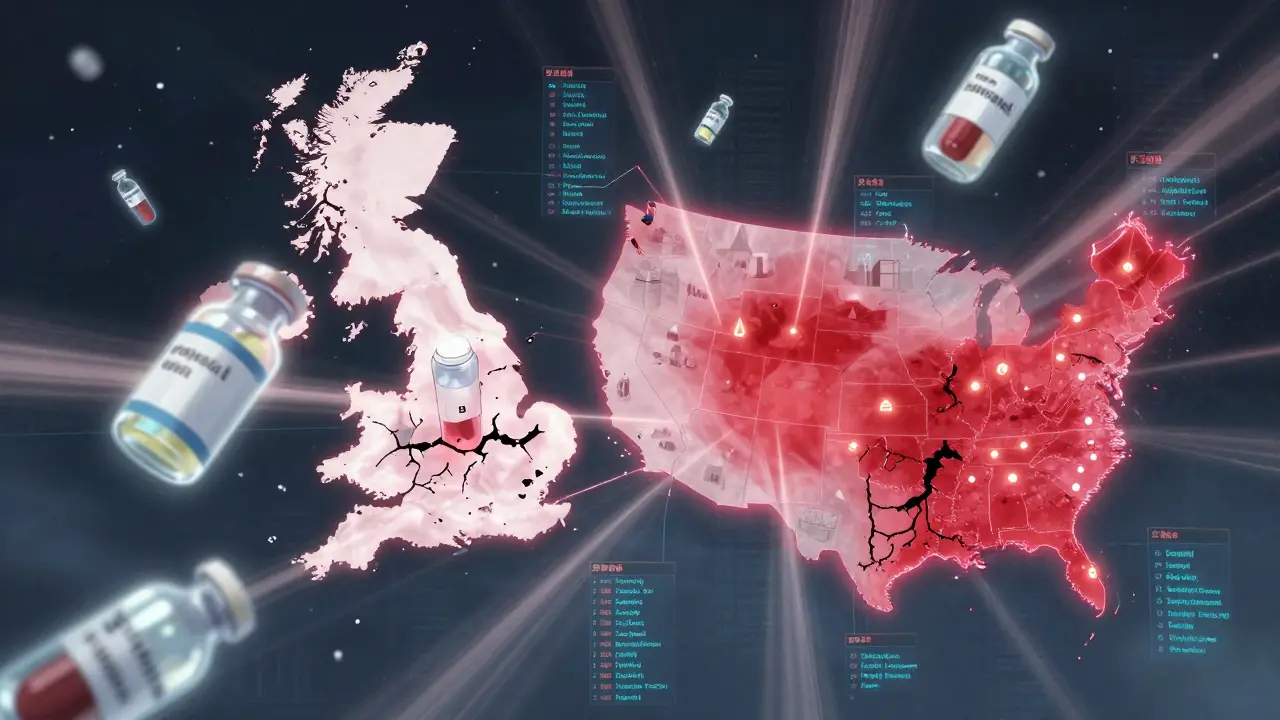
Drug shortages in 2025-2030 aren’t random - they’re predictable. This article breaks down the data, drivers, and real-world impacts behind the next wave of medicine scarcity - and what can actually be done to stop it.