Category: Pharmaceuticals - Page 2
CGM trend arrows let you predict glucose changes before they happen, helping you adjust insulin doses to prevent dangerous highs and lows. Evidence-based guidelines show how to use them safely and effectively.
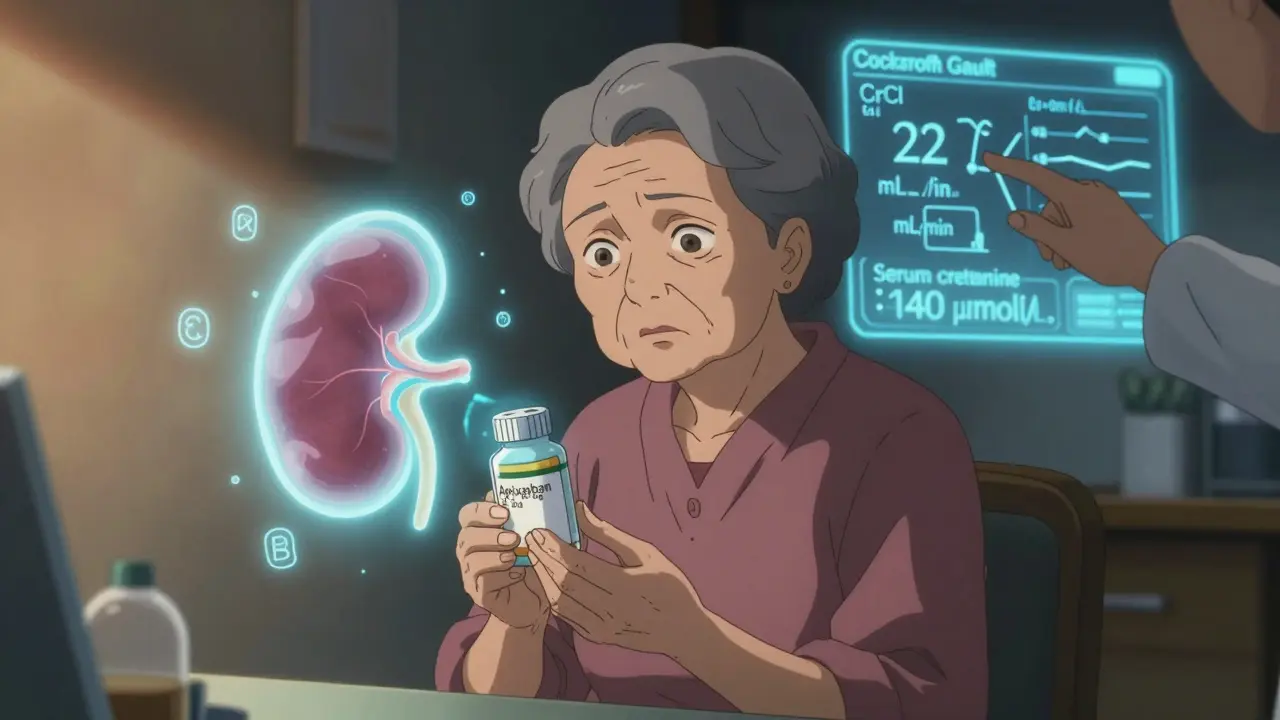
DOACs like apixaban, rivaroxaban, and dabigatran require precise dosing adjustments in kidney disease to prevent bleeding or clots. Learn how to calculate creatinine clearance, which drugs are safest, and common mistakes to avoid.
Learn when common side effects from medications like statins, antibiotics, and blood pressure drugs typically start. Time-to-onset patterns help you spot drug-related symptoms before they become serious.
Learn about male hypogonadism symptoms, diagnosis, and treatment options. Understand how testosterone therapy works, its risks, and recent advances in managing low testosterone.
Metformin is a common diabetes drug, but concerns about lactic acidosis with contrast dye procedures have caused confusion. Current guidelines show the risk is very low for most patients. Learn when to stop metformin before imaging tests and how kidney function affects your safety.
Contamination control in generic drug manufacturing prevents harmful adulteration through strict cleanroom standards, real-time monitoring, and human process discipline. Failure means recalls, fines, or shutdowns.
Understand what happens during an FDA inspection of generic drug manufacturing facilities, from the six-system evaluation to FDA 483 responses and the new PreCheck program. Learn how to prepare and avoid common compliance failures.
Therapeutic drug monitoring helps protect patients on generic HIV drugs with narrow therapeutic indexes by measuring blood levels to prevent toxicity and treatment failure. It's essential for specific cases but not routinely used.
Daily aspirin for heart attack prevention is no longer recommended for most healthy adults. Learn who should skip it, why bleeding risks now outweigh benefits, and what actually works to protect your heart.
Accurate dosing of liquid medications prevents dangerous errors. Oral syringes are the most reliable tool, especially for children. Learn why cups and spoons fail, what makes a device truly accurate, and how to use syringes correctly.
Learn how to effectively communicate with patients about generic medications, address common concerns, improve adherence, and leverage cost savings without compromising care. Based on FDA guidelines and real-world provider experience.
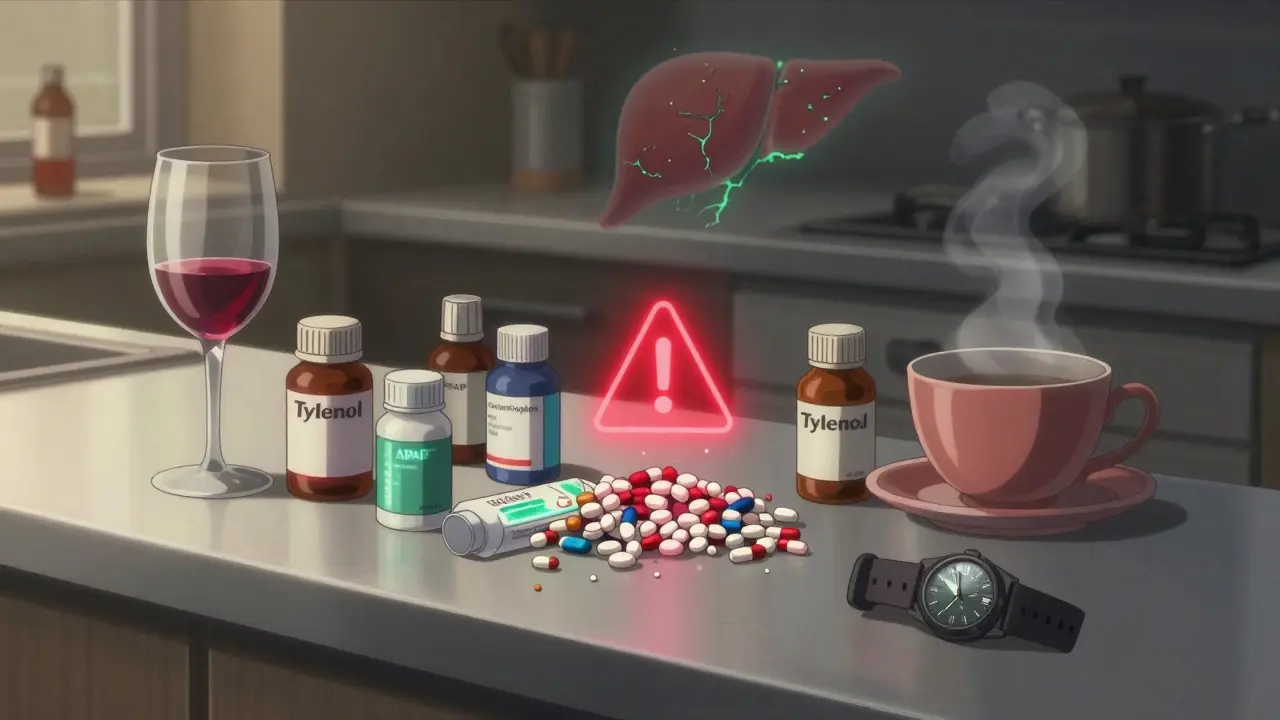
Acetaminophen is safe when used correctly, but accidental overdose is the leading cause of acute liver failure in the U.S. Learn the real risks, hidden sources, and critical prevention steps to protect your liver.